

Soft-Shell Ski Jackets: A Winter Functional Outerwear That B2B Buyers Cannot Overlook
August 07, 2026
Every winter, ski apparel stands out as one of the hottest-selling segments in the outdoor gear market. However, for B2B buyers and brand development teams, the real question is not whether to offer skiwear, but rather what kind of skiwear will capture a wider range of usage scenarios, minimize inventory risk, and boost sell-through rates.
Traditionally, ski jackets have been viewed as highly specialized items—bulky, single-purpose, and limited to specific settings. Yet, recent market trends indicate that soft-shell ski jackets—which combine outdoor protective performance with everyday comfort—are emerging as a key growth category for an increasing number of brands.
Adopting a B2B procurement perspective, this article systematically breaks down the core performance metrics, functional design logic, usage scenario segmentation, and compliance essentials for soft-shell ski jackets, helping procurement decision-makers understand the long-term commercial value of this category.
What is a softshell ski jacket?
According to the Chinese national standard GB/T 41176-2021 Professional Sports Clothing – Ski Wear, a ski jacket is defined as a garment made of textile fabric that is waterproof, moisture-permeable, and windproof, and features specific structural characteristics required for skiing activities.
Soft-shell ski jackets represent a specific category within this broader classification, characterized by:
-
Fabric structure: Utilizes stretch-woven fabric bonded with a waterproof, moisture-permeable membrane, balancing protection with freedom of movement.
-
Wearing experience: Compared to traditional hard-shell ski jackets, soft-shell jackets are lighter, quieter, and offer a more comfortable, close-fitting feel.
-
Versatility: Suitable for a wide range of daily settings—from the slopes to the city, and from active sports to casual wear.
What's It Like to Get Caught in the Rain While Skiing?
Imagine this: you've just finished a black diamond run, your body is warm, and suddenly you encounter a snowstorm as the chairlift ascends to the mid-mountain. If your jacket isn't waterproof enough, melting snow will seep through the fabric; if it lacks sufficient breathability, the sweat accumulated during exercise will condense into water droplets on the inner layer—attacked from both outside and inside, you'll be soaked through and through—and then you still have to ride the remaining eight minutes of the chairlift in the cold wind.
This is the last experience a ski jacket should ever put its wearer through.
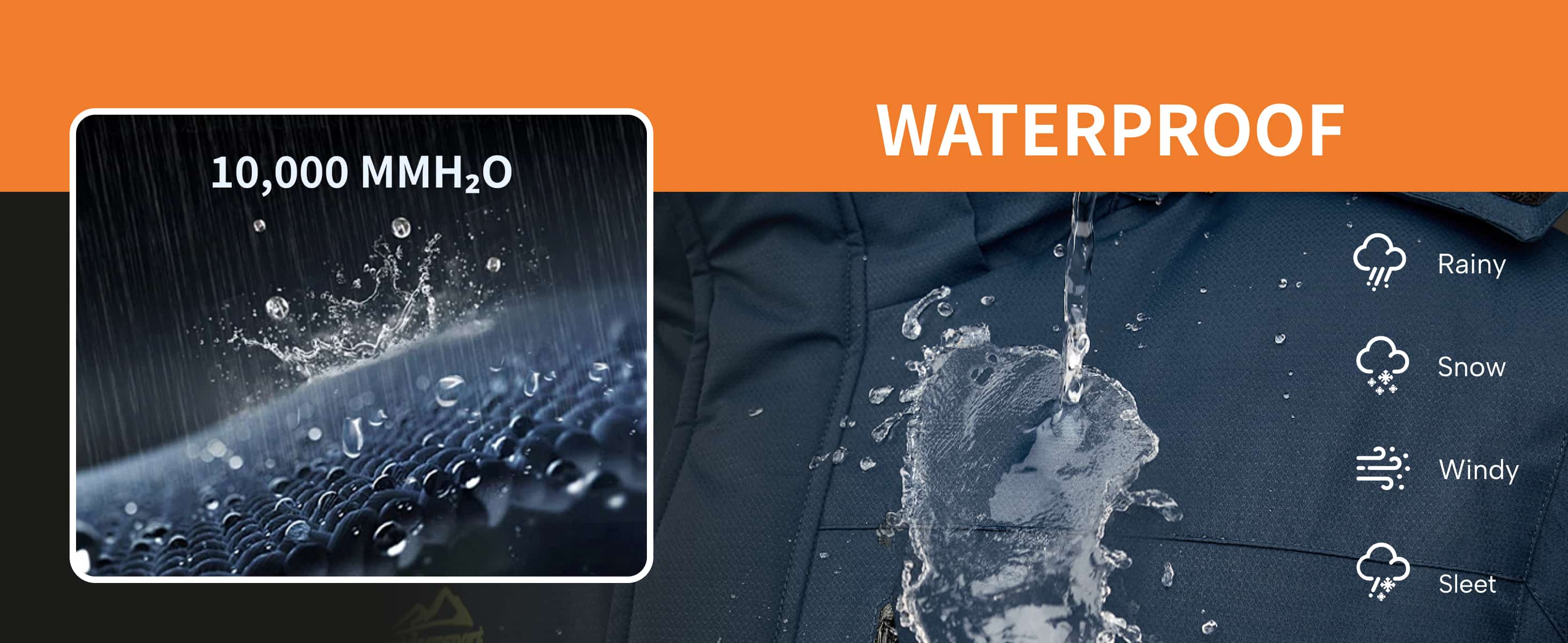
This product's combination of waterproofing and breathability—10,000 mm hydrostatic pressure + 5,000 g/m²/24h moisture vapor transmission rate (MVTR)—is precisely the performance baseline set to address this pain point.
Waterproofing: It's Not Just About "Water Repellency"
The DWR (Long-Lasting water repellent) treatment on ordinary jackets can only last 5–15 minutes in continuous rain or snow. The real guarantee of waterproofing comes from the membrane layer in the middle of the fabric, and its protective capability is quantified by the hydrostatic pressure test (ISO 811 / AATCC 127)—the fabric is clamped and water pressure is applied until water seepage occurs.
A test result of 10,000 mm H₂O means: in heavy snowfall of 50–100 mm per hour, the wearer can stay dry on the inside for up to two hours. This figure significantly exceeds the basic requirement of 30 kPa (approximately 3,000 mm) for ski wear before washing as specified in China's national standard GB/T 41176-2021.
B2B Sourcing Tip: There's no need to blindly chase top-tier values of 15,000 or 20,000 mm. The higher the waterproof rating, the stiffer and less breathable the fabric typically becomes, and the cost increases significantly. 10,000 mm is widely recognized in the industry as the "golden balance point" for skiing scenarios—sufficient for harsh weather without compromising wearing comfort. For brands targeting the mass ski market, this is the most cost-effective specification choice.
Breathability: The "Second Skin" During High-Intensity Exercise
Skiing is essentially intermittent high-intensity exercise—heart rate can reach 150+ beats per minute during descents, while you're completely stationary on the chairlift ascent. This rhythm of "intense activity followed by sudden rest" places extremely high demands on the breathability of clothing.
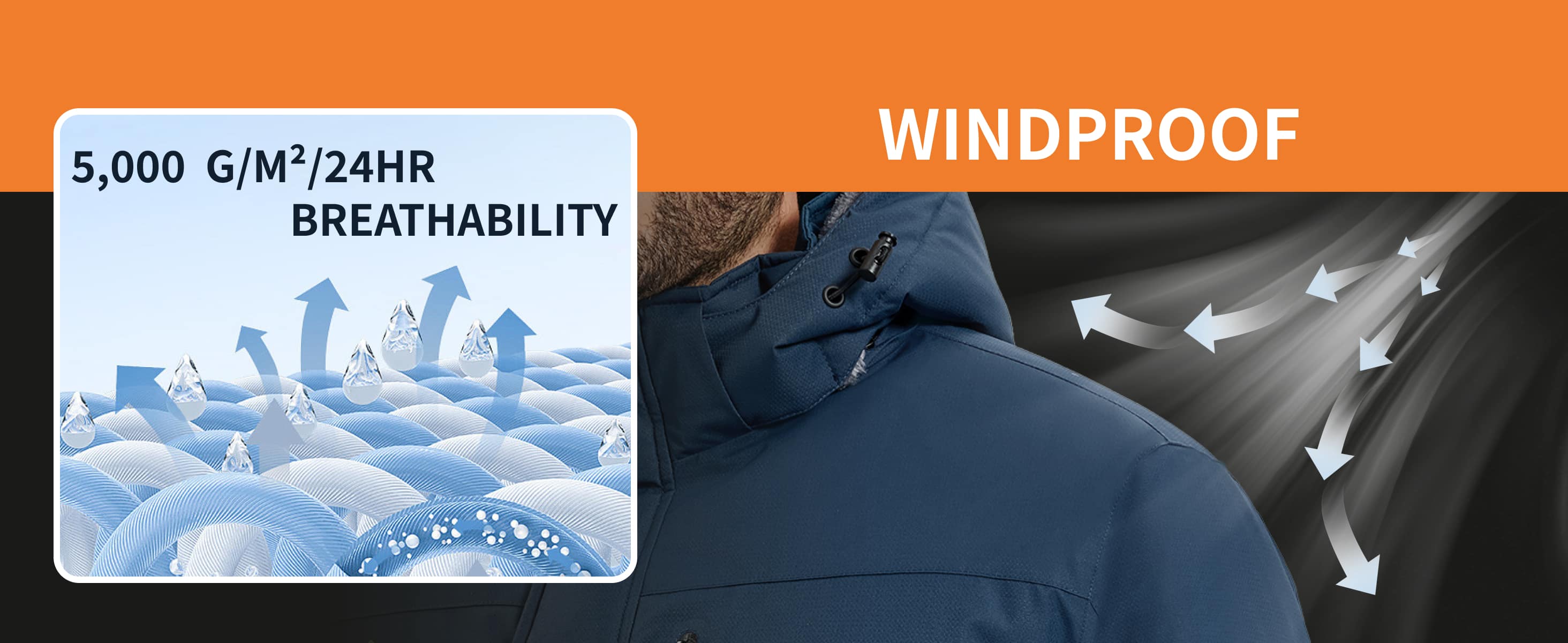
A moisture vapor transmission rate of 5,000 g/m²/24h, simply put, means: each square meter of fabric can release 5 kilograms of water vapor in one day. For a single day of skiing, this moisture discharge capacity is sufficient to handle the sweat output of most skiers.
The national standard requires ski wear to have a moisture vapor transmission rate of no less than 3,000 g/(m²·24h), and this product exceeds this baseline by nearly 70%. This means that during continuous skiing, sweat can be discharged in time without condensing inside the garment. This is not just a comfort issue—the evaporative cooling effect after moisture condensation can cause a sudden drop in body temperature, which is directly related to safety risks.
Windproofing: An Underestimated "Warmth Formula"
In ski equipment, the relationship between windproofing and warmth is often misunderstood. Many people believe that warmth mainly comes from thickness, but in high-altitude environments, the actual formula is:
Feels-like Temperature = Ambient Temperature − Cooling Effect from Wind Speed
For every 1 m/s increase in wind speed, the feels-like temperature drops by approximately 1°C. An 8 m/s wind on a ridge can turn an ambient temperature of -5°C into a feels-like temperature of -13°C—this gap cannot be compensated by simply adding another layer of fleece.
The national standard GB/T 41176-2021 requires ski wear to have an air permeability rate of ≤10 mm/s, essentially mandating that "wind cannot pass directly through the fabric." Through the dual design of a windproof placket + membrane structure, the air permeability rate is controlled within the standard, ensuring that wind chill effect does not become a safety hazard or comfort killer during chairlift ascents or exposed ridge sections.
Significance for procurement decisions: Windproofing is the performance dimension most easily overlooked by end consumers, yet most likely to "generate complaints" in real-world experience. If a jacket rated at 10,000 mm waterproofing cuts corners on windproofing, skiers will feel "wind leaking through" with just one gust on the ridge—this negative experience will directly translate into bad reviews and returns. Therefore, in product specifications, windproof data should receive equal attention as waterproof data.
Product Functional Design: Every Detail Has Engineering Consideration
Protection System Configuration
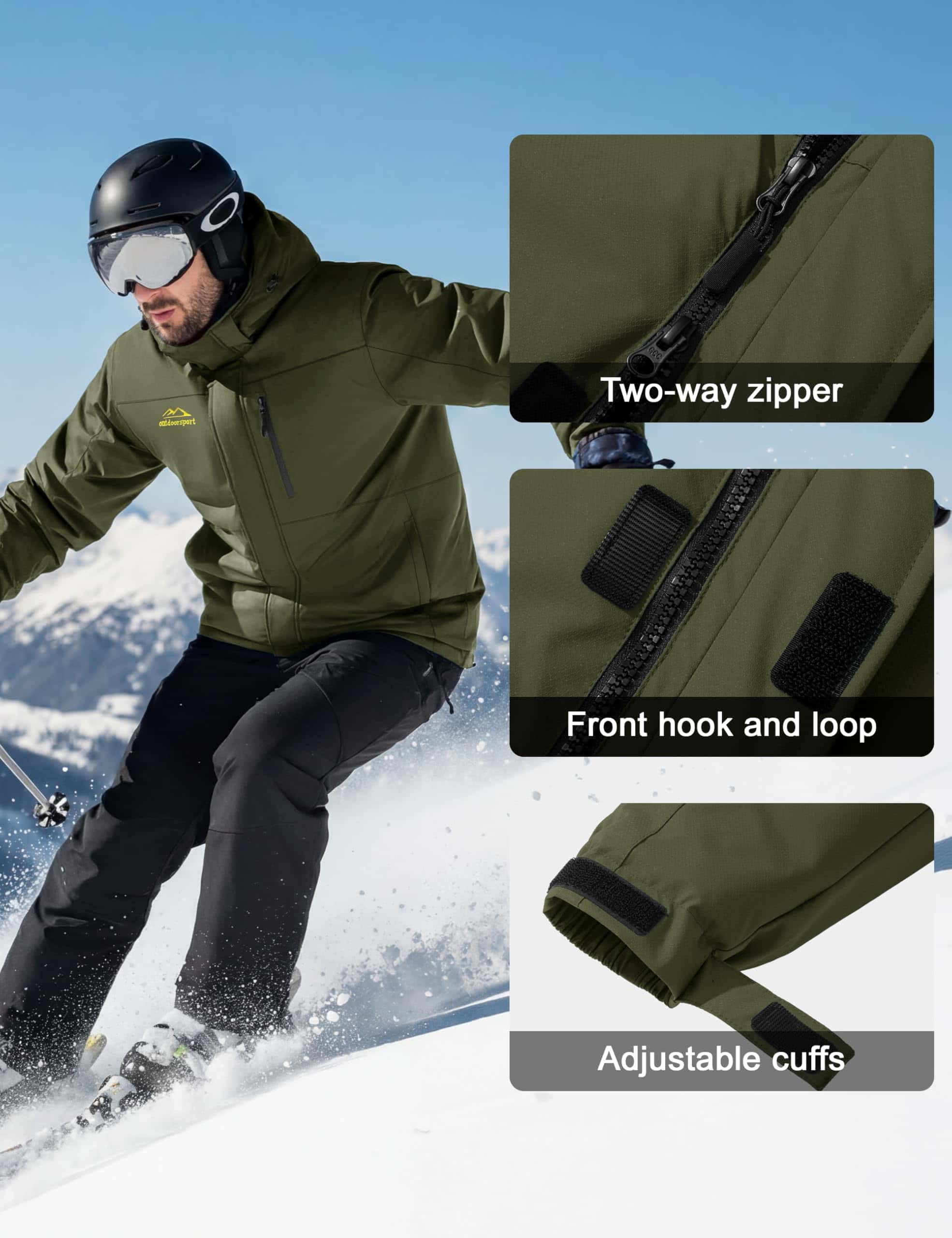
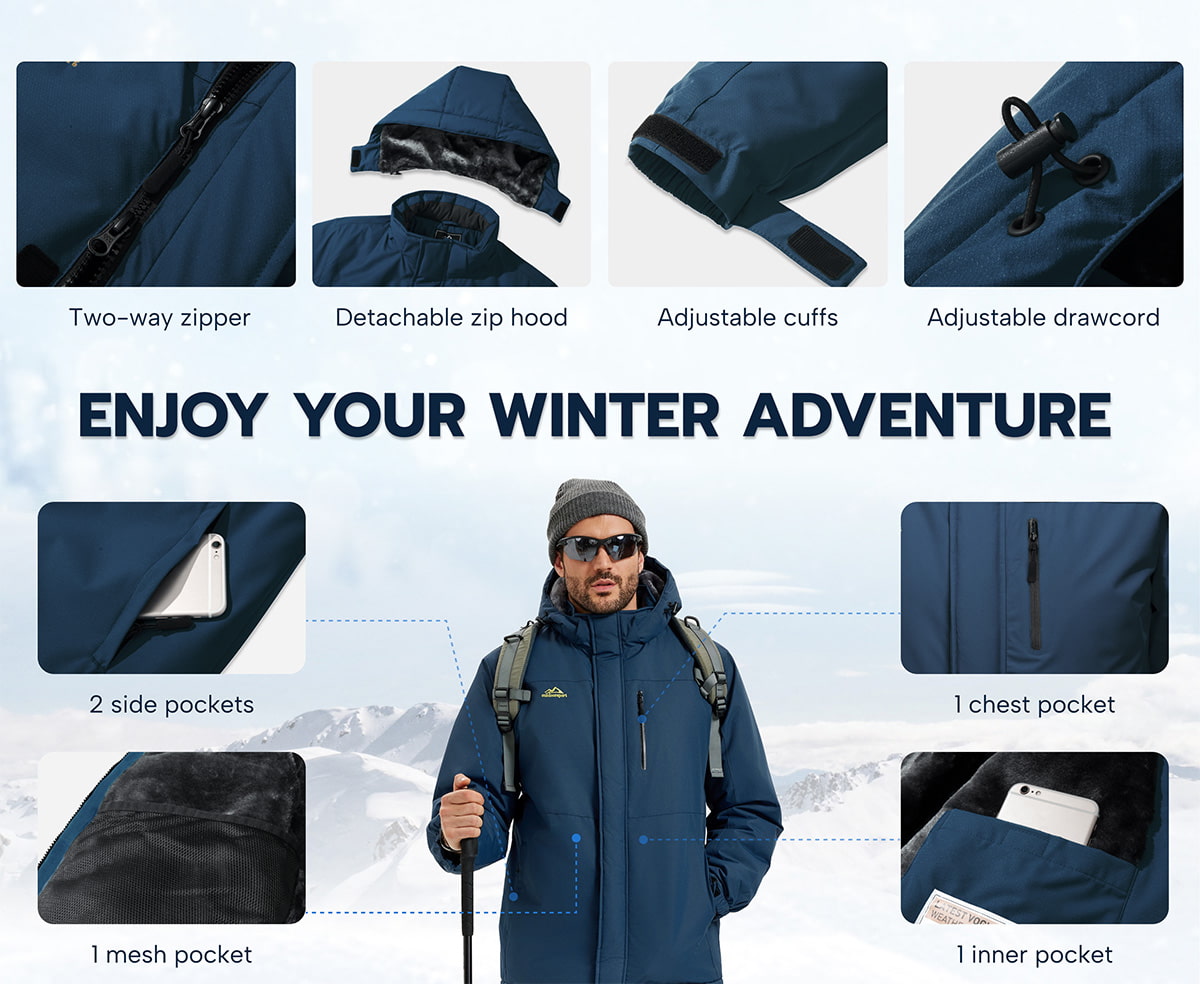
- Detachable zip-up hood: The hood can be worn over a helmet for additional protection while skiing; it can be removed for everyday wear to achieve a cleaner look. This design allows the same jacket to adapt to multiple scenarios—ski resorts, mountain town leisure, travel commuting, and more.
- Two-way zipper: During skiing, unzipping from the bottom allows for quick ventilation and cooling without taking off the entire jacket. This detail is crucial for body temperature regulation after high-intensity descents.
Temperature Management
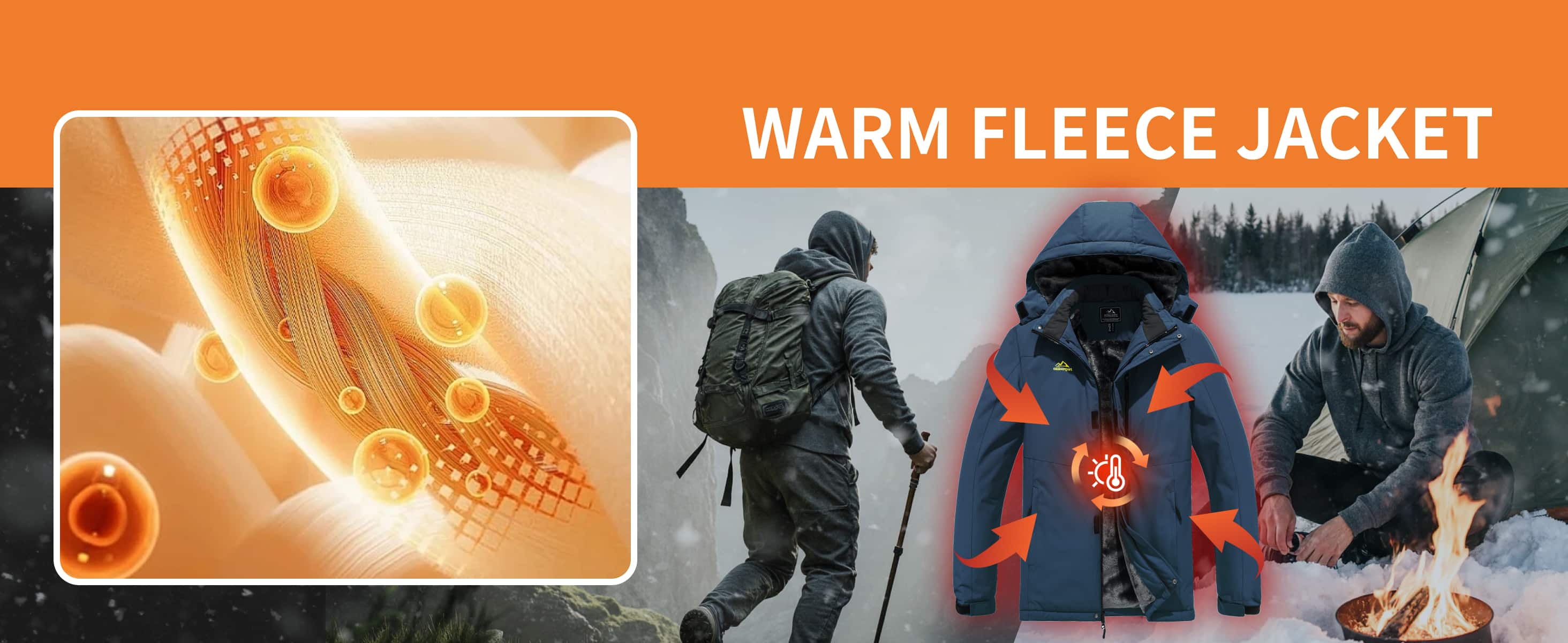
- Thermal fleece lining: A warm fleece layer is bonded to the inner side of the waterproof breathable membrane, locking in body heat while avoiding the bulkiness caused by heavy padding. Compared to the thick padding structure of traditional ski wear, thermal fleece lining achieves a better balance between warmth and freedom of movement.
- Soft-shell fabric structure: The outer layer is wear-resistant and windproof, the middle layer is waterproof and breathable, and the inner layer is warm and skin-friendly—three layers are integrally formed, capable of handling most cold environments without additional layering.
Detail Configuration
- Adjustable cuffs and hem drawcord: Prevent snow and cold wind from entering through the cuffs and hem, while allowing flexible adjustment of tightness according to the thickness of inner layers
- Five-pocket configuration: One chest pocket, two hand pockets, one mesh pocket, one inner pocket—reasonably distributed to meet the categorized storage needs of items such as ski passes, phones, goggles, gloves, and energy supplements
Usage Scenario Segmentation: One Jacket Covers Multiple Consumer Pathways
Ski Resorts & Chairlift Skiing
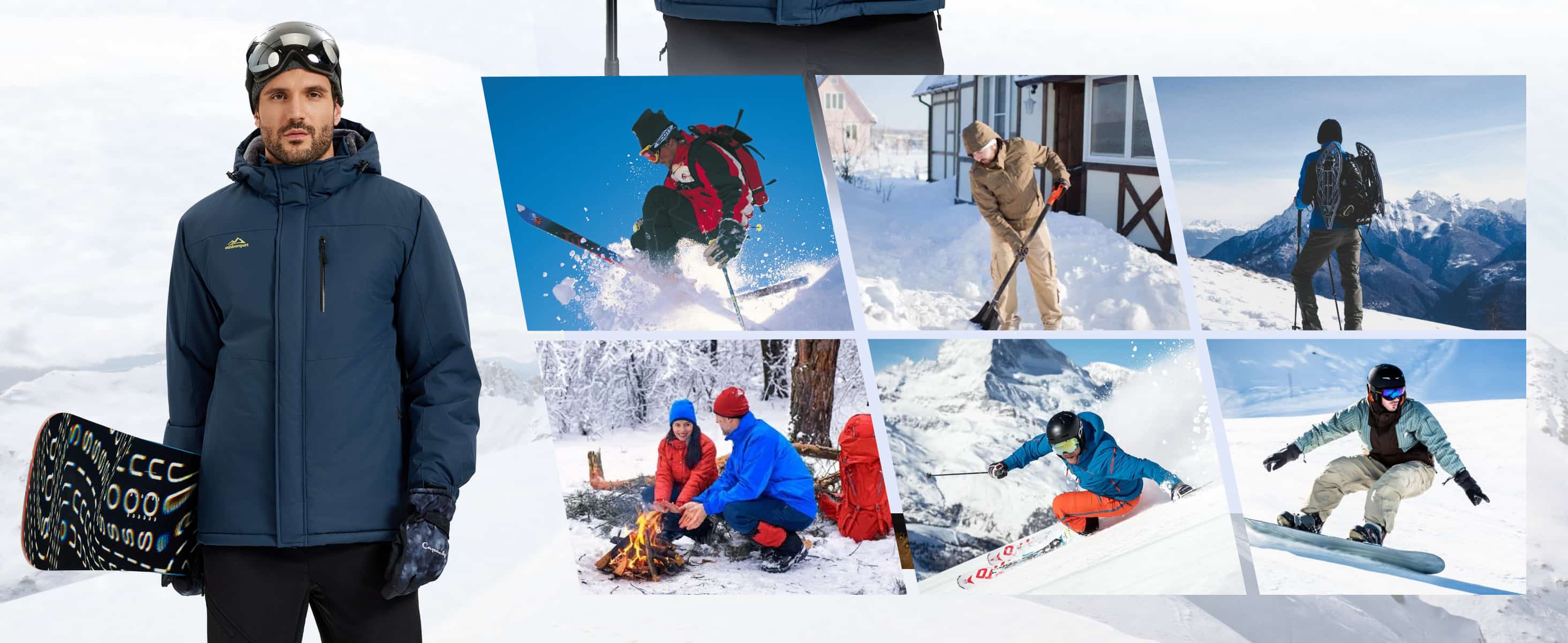
In ski resort environments, soft-shell ski jackets, with their moderate warmth and protection, can cover all-time wearing needs from descents to chairlifts, from morning to afternoon. For rental markets or ski resort retail channels, a "good enough" soft shell is far more acceptable to average skiers than an "overly professional" hard shell.
Backcountry & Ski Mountaineering
Backcountry skiing and ski mountaineering involve extensive uphill hiking, generating significant body heat and placing extremely high demands on breathability and freedom of movement. The stretch fabric and excellent moisture management of soft shells make them the ideal choice for these high-output activities.
Apres-Ski & Mountain Town Daily Life
Ski trips are usually not limited to the slopes themselves—transfers, dining, shopping, and socializing take up a lot of time. Hard-shell ski suits look too "gear-heavy" off the slopes, while the casual appearance and comfortable wearing feel of soft shells allow them to seamlessly transition between multiple life scenarios inside and outside the ski resort.
Metropolitan Commuting & Winter Travel
For non-skiing users, a soft-shell jacket with waterproof, windproof, and warm functions is also a practical choice for winter urban commuting and travel. This means that when brands source soft-shell ski jackets, they actually gain potential customer coverage far beyond a single ski category.
B2B Procurement Guide: Sourcing, Compliance, and Supply Chain Considerations
Key Points for Fabric and Craftsmanship Screening
Not all products with the same labeled parameters perform consistently. B2B sourcing should focus on:
- Membrane technology: Lamination generally offers better durability and breathable stability than coating
- Seam taping: Fully taped seams ensure no water seepage at needle holes, which is the basic craftsmanship threshold for ski wear
- DWR durability: Long-Lasting water repellent treatment must withstand multiple washes; suppliers should be required to provide performance degradation data after washing
Regional Market Adaptation Recommendations
- North American market: Mature ski culture, consumers prefer multi-functional products—one jacket covering skiing, hiking, and daily use is a standout selling point
- European market: Environmental compliance requirements are increasingly strict; PFC-free DWR treatment and recycled fabrics are becoming brand differentiation factors
- Asia-Pacific market: Lightweight, packable, and urbanized appearance designs are more favored by young consumers
Chemical Compliance Requirements
GB/T 41176-2021 clearly requires testing for restricted substances such as nonylphenol ethoxylates (NPEO), perfluorooctane sulfonate (PFOS), and perfluorooctanoic acid (PFOA). Procurement contracts should explicitly require suppliers to provide test reports certified by CNAS/CMA.
Consumer Wearing Guide (Reference for Retail Content Support)
Although this article is primarily aimed at B2B procurement decisions, understanding how end consumers actually wear the product helps define product positioning more precisely:
- Base layer: Moisture-wicking merino wool or synthetic fiber underwear
- Mid layer: Light fleece or down vest, flexibly added or removed depending on temperature
- Ski jacket (soft shell): The thermal fleece lining of this product already provides certain warmth; in most scenarios, no heavy mid layer is needed
- Accessories: Adjustable cuffs can be worn over glove cuffs to form a seal; the hood is compatible with most ski helmets
The jacket's minimalist design language also makes it suitable for everyday wear—paired with functional pants or casual pants, it completes the scene transition from the slopes to the streets.
Conclusion
Soft-shell ski jackets are not "stripped-down versions" of hard shells, but rather functional outerwear independently designed for different usage scenarios. With a core performance combination of 10,000 mm waterproofing, 5,000 g breathability, windproof structure, and thermal fleece lining, they provide sufficient protection in skiing scenarios while demonstrating advantages in comfort, freedom of movement, and scenario versatility that hard shells cannot match.
For B2B buyers and brand development teams, incorporating soft-shell ski jackets into the winter product line offers triple value:
-
Broader customer coverage: From professional skiers to winter travelers, from outdoor sports enthusiasts to urban commuters
-
Reduced inventory risk: Multi-functional attributes mean longer selling seasons and wider price acceptance ranges
-
Enhanced brand differentiation: In a market where hard-shell products are highly homogeneous, comfortable soft shells provide a new dimension of competition
As functional apparel consumption becomes increasingly rational, consumers no longer pay only for "extreme parameters," but value more the "comprehensive experience in real scenarios." Soft-shell ski jackets precisely respond to this trend.
Why Choose Us?
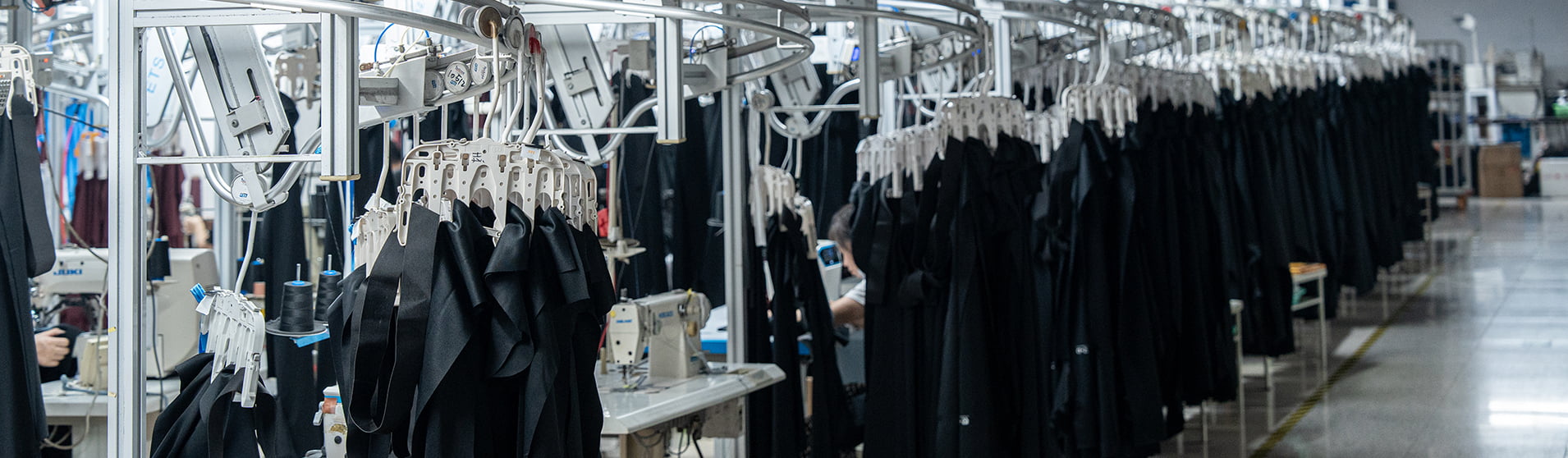
With ten years of focus on ski jacket manufacturing, Fujian Lasen Technology Co., Ltd. take garment production as our core, integrate upstream and downstream supply chain resources including fabrics and accessories, and have established a market system covering the US and European markets. Our services cover ODM/OEM development, ski resort bulk procurement, and corporate uniform customization, with full-process control capability from R&D to shipment.
Ten years, doing only one thing: making every ski jacket that leaves the factory worthy of the test of the snowy mountains.