

Sourcing High-Performance Thermal Fleece Base Layers: A Technical Guide for B2B Buyers
August 14, 2026
Thermal fleece base layers are widely used in sportswear, outdoor apparel, workwear, uniforms, and winter clothing. For B2B buyers, selecting the right product requires more than comparing fiber composition or visual appearance.
Performance depends on several interacting factors, including fabric construction, weight, fiber type, brushing method, fit, moisture management, seam quality, testing standards, and the intended end use. This guide outlines the main considerations for sourcing thermal fleece base layers from an objective, product-development perspective.
What Is a Thermal Fleece Base Layer?
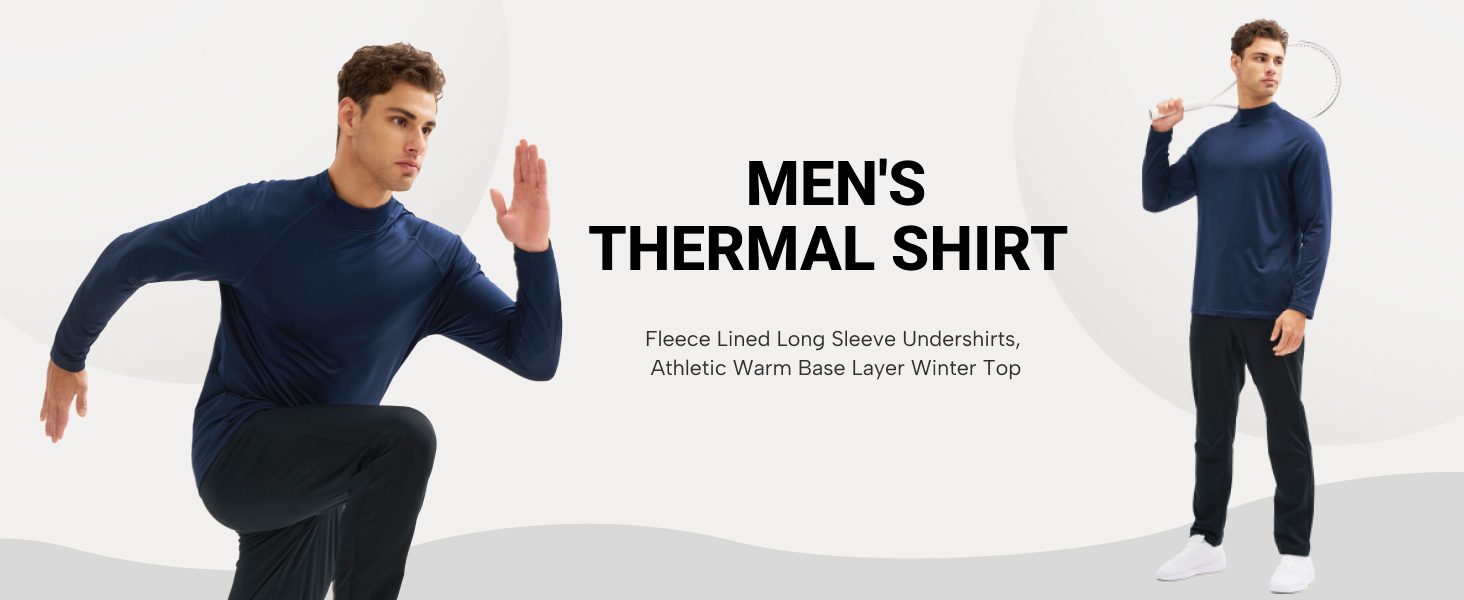
A thermal fleece base layer is generally a close-fitting garment designed to be worn next to the skin or as part of a layering system. The term “fleece” usually describes the brushed or raised inner surface of the fabric rather than a specific fiber.
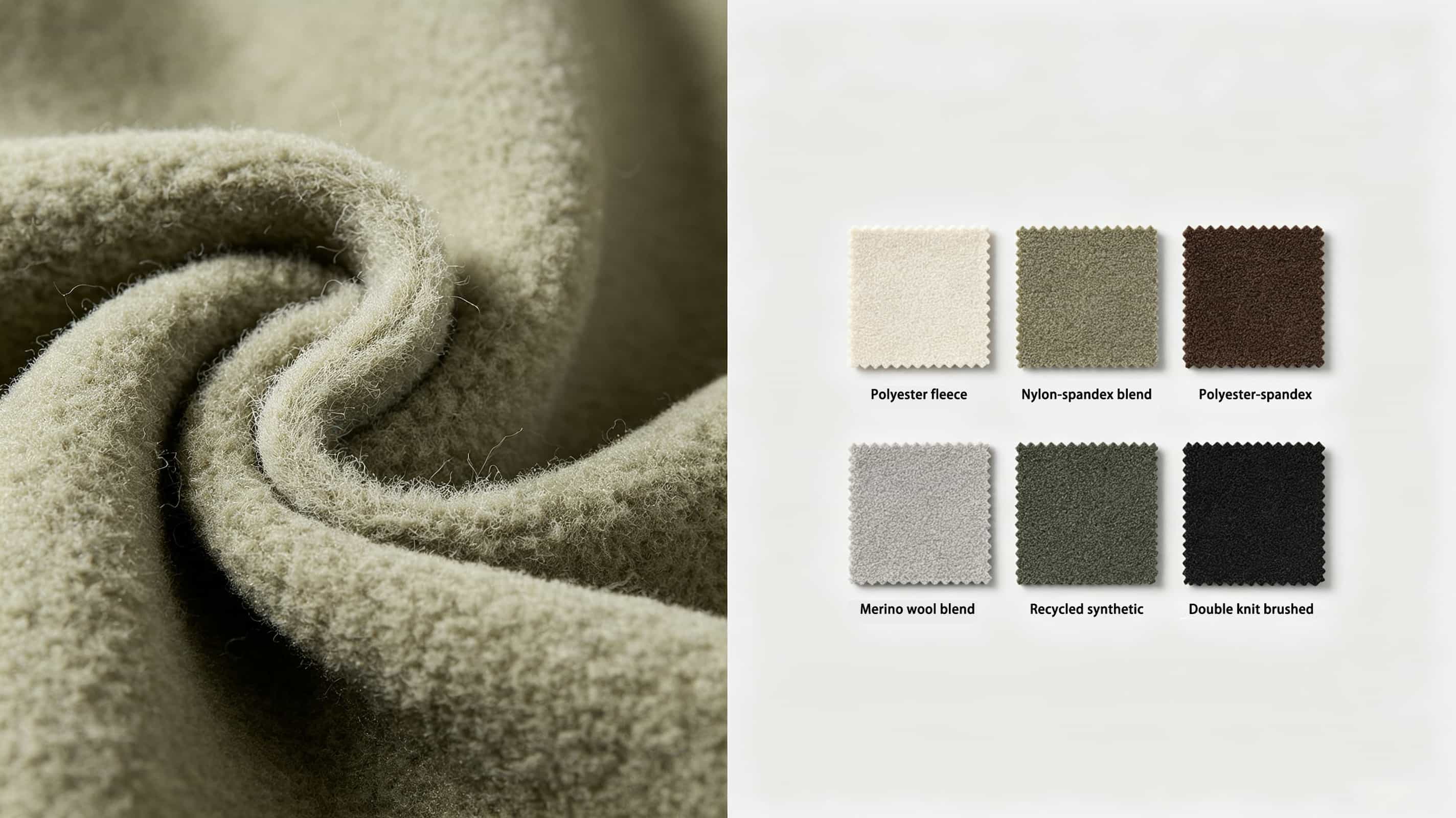
Common fabric options include:
- Polyester fleece
- Nylon and spandex blends
- Polyester-spandex blends
- Merino wool or wool blends
- Recycled synthetic fibers
- Double-knit or brushed jersey fabrics
The purpose of the brushed inner surface is to create a soft hand feel and help retain air. However, the actual warmth of a garment cannot be determined by the word “fleece” alone. Fabric weight, surface density, loft, fit, air permeability, and the wearer’s activity level all influence thermal performance.
Understand How Warmth Is Created
Thermal performance is influenced by the amount of still air held within or around the fabric. A brushed inner surface can increase softness and help create an insulating layer, but a thicker fabric is not always better.
A heavy garment may provide more warmth but can also:
-
Increase bulk under outerwear
-
Dry more slowly
-
Feel uncomfortable during high-intensity exercise
-
Increase shipping weight
-
Raise material and production costs
For this reason, buyers should define the target use before selecting fabric weight. A lightweight running base layer, a winter workwear undershirt, and a ski base layer may require different constructions.
Useful specifications to request include:
-
Fabric weight in GSM
-
Fabric thickness
-
Brushing or fleece density
-
Air permeability
-
Thermal resistance
-
Moisture regain or drying performance
-
Dimensional stability after washing
Evaluate Moisture Management
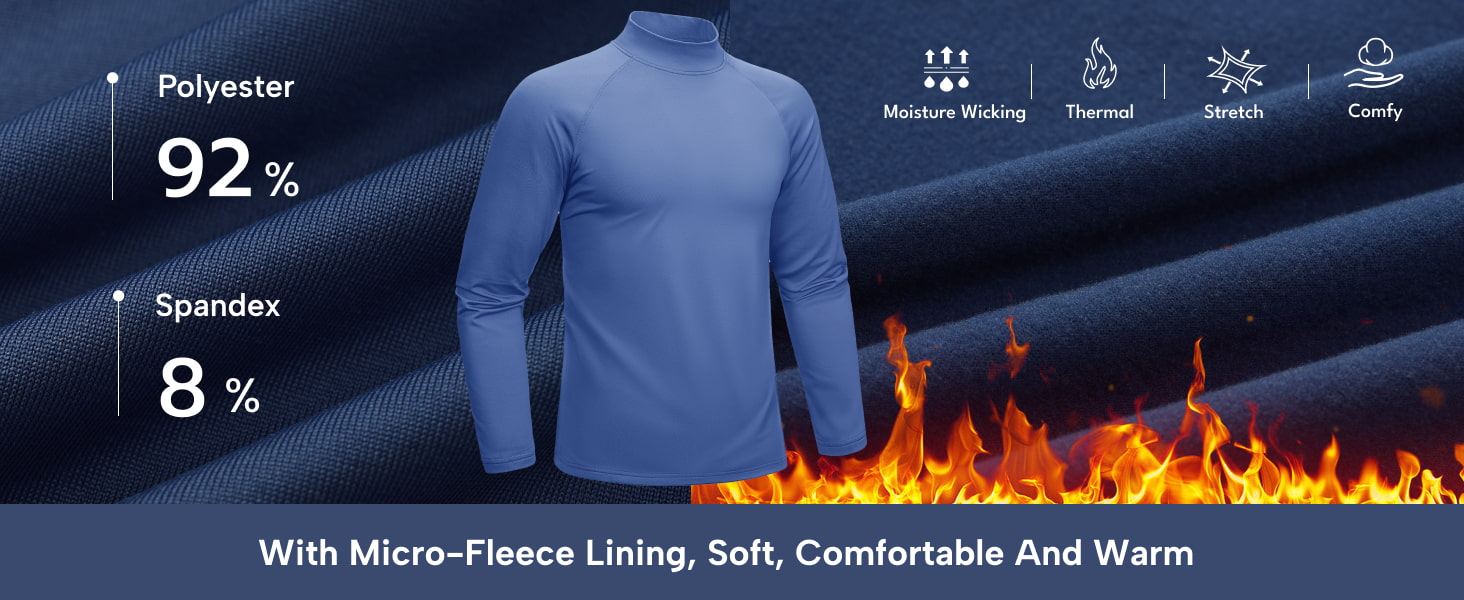
A base layer should manage perspiration according to the activity level and climate in which it will be used.
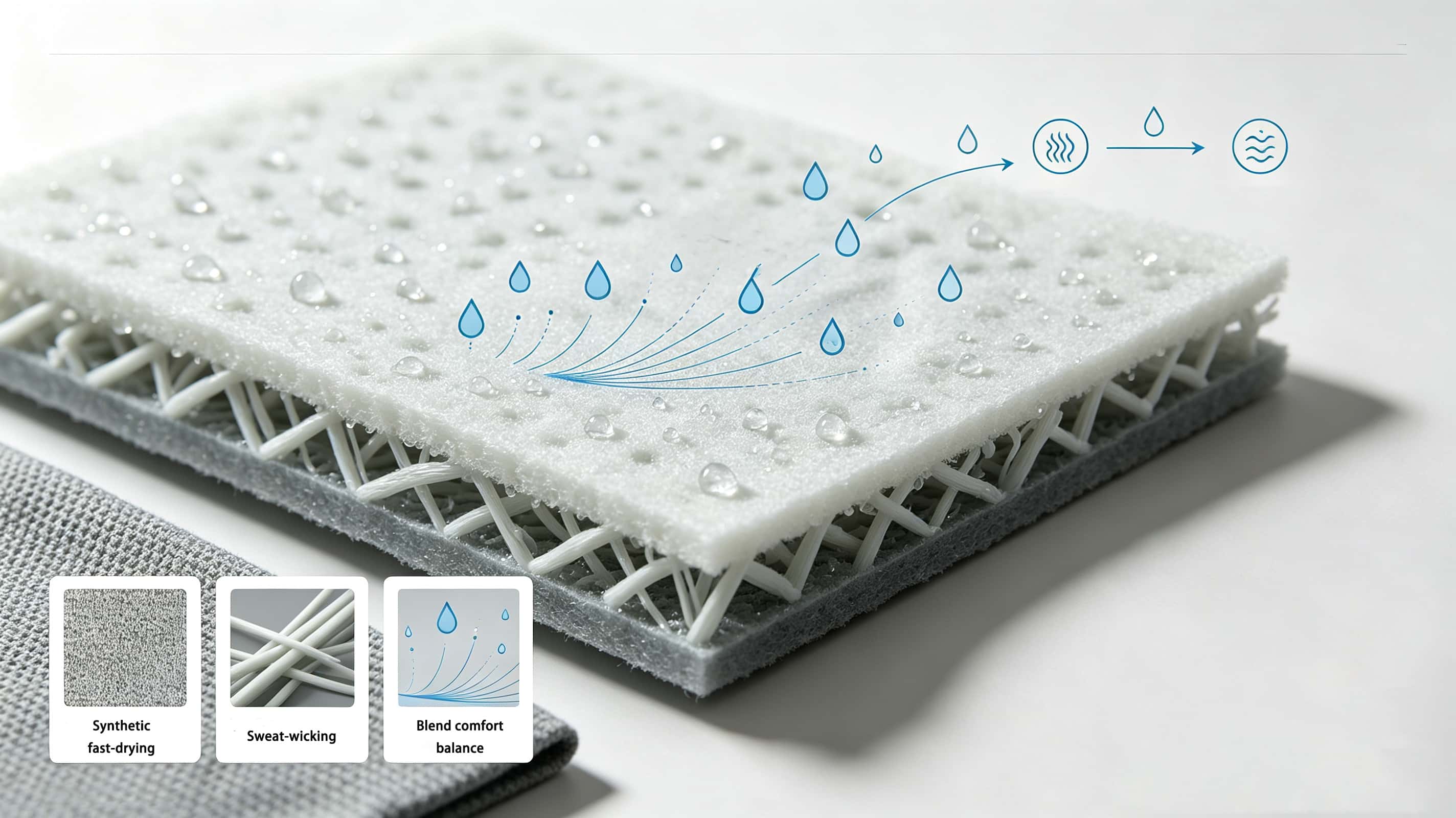
Synthetic fabrics generally dry quickly because they absorb less moisture than many natural fibers. Wool can absorb and buffer moisture while maintaining a relatively dry surface, but it may dry more slowly than lightweight synthetics.
When reviewing supplier claims, buyers should ask:
-
Is the moisture management created by the fiber, fabric structure, or a chemical finish?
-
Is the finish long‑lasting after repeated washing?
-
Has the fabric been tested under a recognized standard?
-
Does the fabric spread moisture across the surface or merely absorb it?
-
Does the garment remain comfortable during high-intensity movement?
Moisture-wicking claims should be supported by test data rather than marketing language alone.
Assess Stretch and Recovery
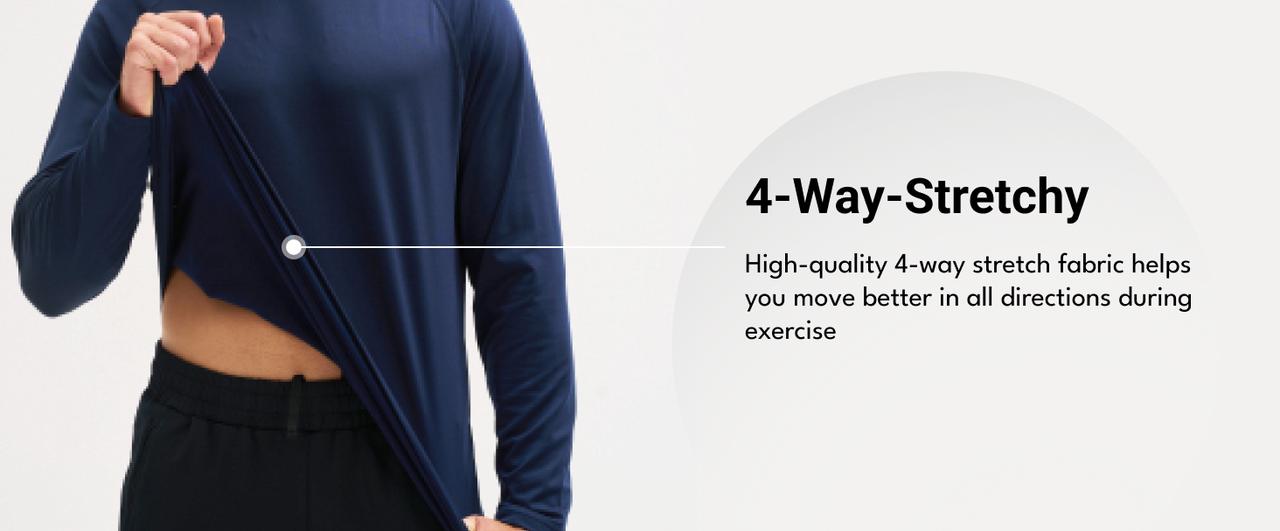
Stretch is important for close-fitting base layers, especially in sports, workwear, and outdoor applications. A 4-way stretch construction may improve freedom of movement, but the quality of stretch depends on both the fabric and garment pattern.
Buyers should evaluate:
-
Stretch percentage in both directions
-
Recovery after repeated extension
-
Elbow and shoulder bagging
-
Waist and cuff recovery
-
Seam strength under tension
-
Comfort during overhead and rotational movement
A high elastane percentage is not automatically better. More stretch can improve mobility but may increase cost, affect compression, or reduce long-term shape retention if the fabric is not properly engineered.
Consider Garment Construction
Garment design should be evaluated in relation to end use rather than treated as a universal indicator of quality.
Mock Neck
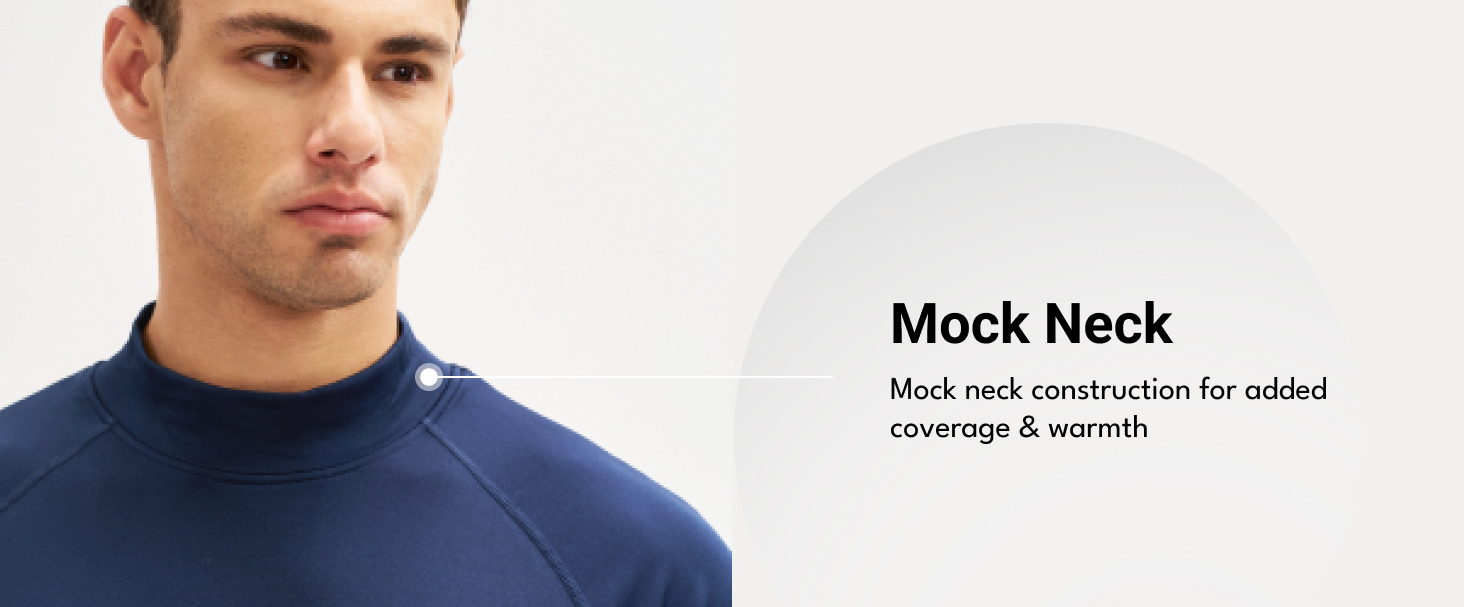
A mock neck can provide additional coverage and reduce direct exposure to cold air. It may be appropriate for winter sports, outdoor work, and casual cold-weather wear.
Potential trade-offs include increased warmth around the neck, possible restriction for some users, and reduced compatibility with certain collars or protective equipment.
Raglan Sleeves
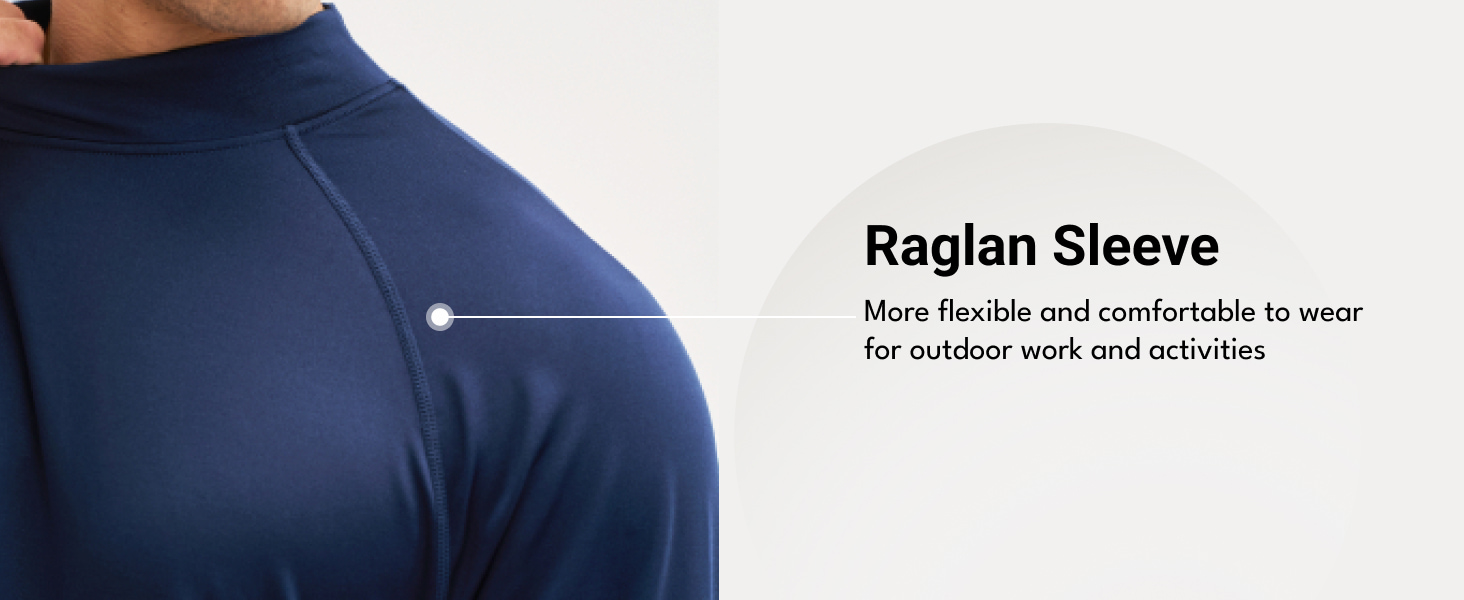
Raglan sleeves can reduce the prominence of shoulder seams and support a wider range of arm movement. They are commonly used in athletic garments and outdoor clothing.
However, the sleeve design alone does not guarantee comfort. Pattern balance, armhole shape, seam placement, and fabric recovery also affect fit.
Seam Construction
Flat seams, coverstitching, or carefully positioned overlock seams may reduce skin irritation. The appropriate construction depends on fabric thickness, stretch, target price, and production capability.
Buyers should inspect:
-
Seam appearance
-
Seam stretch
-
Thread tension
-
Skipped stitches
-
Puckering
-
Loose threads
-
Reinforcement at high-stress points
Match the Product to the Application
There is no single thermal base layer that is ideal for every market.
| Application | Main Priorities | Possible Trade-Offs |
| Running and training | Lightweight fabric, drying speed, stretch | May provide limited warmth in static conditions |
| Ski and snow sports | Insulation, moisture control, close fit | Higher weight and cost |
| Outdoor workwear | Durability, coverage, easy care | May prioritize robustness over softness |
| Travel clothing | Odor control, packability, comfort | Premium fibers may increase price |
| Uniform programs | Size consistency, color stability, repeat supply | Customization may increase MOQ |
| Fashion retail | Appearance, hand feel, color options | Performance claims require verification |
| Promotional apparel | Cost, decoration compatibility, availability | Technical features may be more limited |
Selecting by application helps buyers avoid over-specifying features that do not create value for the end user.
Conclusion
Sourcing a thermal fleece base layer requires a balanced evaluation of materials, fabric construction, fit, moisture management, durability, compliance, and supply-chain capability.
Features such as micro-fleece lining, stretch fabric, mock necks, raglan sleeves, and synthetic fiber blends may be appropriate for certain applications, but none of them should be treated as proof of superior performance by themselves. The final assessment should be based on measurable specifications, laboratory or wash testing, sample evaluation, and consistent bulk-production control.
For B2B buyers, the most reliable sourcing process is to define the end-use requirements first, compare alternative constructions objectively, verify supplier claims, and approve a detailed technical specification before production. This approach supports better product positioning, more predictable costs, and fewer quality issues across different markets.
Lasen is a supplier specializing in men's apparel with a decade of experience; every product undergoes rigorous quality inspection. We invite you to contact us if you are interested in sourcing high-performance thermal fleece base layers.