Message
leave a message
If you are interested in our products and want to know more details,please leave a message here,we will reply you as soon as we can.
other
  • Custom‑Men’s Autumn Shirts: Bulk Options for Retail & Uniform Projects
    Custom‑Men’s Autumn Shirts: Bulk Options for Retail & Uniform Projects
    Aug 27, 2026
      When temperatures drop but a heavy jacket is still too much, a well-designed fall shirt becomes the most useful piece in a men’s wardrobe. It can be worn over a T-shirt, under a coat, or as a light outer layer for commuting, travel, workwear, and outdoor use. For private-label brands, this category offers strong product-line potential. However, a successful OEM custom men’s fall shirt requires more than selecting a seasonal color. Fabric weight, hand feel, layering ease, shrinkage, decoration, and bulk consistency must all be controlled from the development stage.   Position the Fall Shirt as a Flexible Layering Piece A fall shirt should provide more structure and warmth than a basic woven shirt while remaining lighter and easier to wear than a jacket. This positioning allows brands to develop several variations from one core block: Brushed flannel overshirt for casual collections Cotton twill shirt for workwear-inspired lines Cotton-polyester shirt for easier care and better dimensional stability Corduroy or textured fabric shirt for seasonal fashion ranges Lined overshirt for cooler weather and transitional outerwear The correct product direction depends on the target market. A shirt designed for mild autumn weather may prioritize breathability and softness. A heavier overshirt for northern climates may require more body, lining, pocket capacity, and wind protection.   Select the Fabric According to End Use Fabric choice determines the shirt’s warmth, appearance, durability, and production cost. Buyers should evaluate both the fiber content and the actual finished-fabric performance. Fabric direction Main advantages Points to verify Brushed cotton flannel Soft hand feel and seasonal warmth Pilling, shrinkage, colorfastness, nap consistency Cotton twill Structured appearance and abrasion resistance Stiffness, seam slippage, dimensional change Cotton-polyester blend Easier care and improved shape retention Fiber ratio, hand feel, color matching Corduroy Distinctive texture and premium seasonal look Wale consistency, rubbing fastness, cutting waste Lightweight quilted or lined fabric Additional warmth and outer-layer function Bulk at seams, lining movement, wash durability Fabric weight is an important development reference, but it should not be treated as a guarantee of warmth. As a starting point, a regular fall shirt may be developed around a medium-weight woven fabric, while an overshirt may use a heavier fabric with more structure. The final choice should be confirmed through hand-feel review, fitting, and performance testing.   Build Ease for Layering A common mistake is to develop a fall shirt using the measurements of a close-fitting regular shirt. If the product is intended to be worn over a T-shirt or knitwear, the pattern must allow additional ease through the chest, armhole, sleeve, and back. The shoulder line should support layering without making the garment look oversized. Sleeve length and cuff construction also require attention because a tight cuff can restrict movement when another layer is worn underneath. For overshirt styles, buyers may consider: Slightly increased chest and bicep ease A reinforced front placket Adjustable cuffs or snap closures Chest pockets sized for practical use Side vents or a shaped hem for movement Stronger buttons or metal snaps Bar-tacks at pocket corners and other stress points These details influence both customer satisfaction and manufacturing cost. A professional supplier should explain the effect of each construction choice on sewing time, trim cost, and final appearance.   Plan Private-Label Details Before Sampling A private-label fall shirt may include woven labels, printed care labels, custom buttons, embroidery, patches, hangtags, packaging, and branded carton markings. These elements should be included in the technical pack before the final sample is approved. Decoration placement must work with the fabric surface. Embroidery on a soft brushed fabric may require backing and density adjustments. A patch or label placed near a pocket, placket, or curved seam can affect sewing accuracy. Screen printing on textured or brushed fabric should be tested for coverage, adhesion, cracking, and wash durability. For a clean private-label line, all visible details should be specified clearly: Brand label dimensions and position Care and fiber-content labeling Button, snap, zipper, and trim references Artwork size, color, and placement Thread color and stitch density Packaging and folding requirements Approved color standard and shade tolerance   Verify the Finished Garment, Not Only the Fabric Fabric certificates and supplier test reports are useful, but the finished shirt still requires its own quality checks. Important verification points may include: Fiber composition and finished GSM Dimensional stability after washing Colorfastness to washing, rubbing, and perspiration Pilling or surface abrasion resistance Seam strength and seam slippage Button or snap attachment strength Fabric-to-trim color matching Fit across the full size range Decoration adhesion and wash durability If the shirt is marketed as wind-resistant, water-repellent, easy-care, or performance-oriented, those claims should be supported by method-specific testing. A visual reference can communicate silhouette, pocket layout, or color direction, but it cannot confirm composition, warmth, durability, or test results.   Use Sample Comparison to Reduce Bulk Risk The first prototype should be evaluated for more than appearance. Buyers should compare the sample against the technical pack and check whether the garment remains comfortable when layered over the intended base garment. A useful sample review covers: Measurement tolerances Collar and placket balance Sleeve mobility Pocket position and reinforcement Shrinkage after laundering Surface changes after wear or rubbing Decoration quality after washing Shade consistency between panels and trims Before bulk production, a size set or pre-production sample helps confirm grading and construction across sizes. The approved sample should remain the production reference, supported by a clear BOM, measurement chart, artwork file, color standard, and inspection criteria.   Control Total Cost Across the Product Life Cycle The lowest unit price may not produce the lowest total cost. A fall shirt with unstable fabric, high shrinkage, weak buttons, or inconsistent finishing can create claims, rework, and difficult reorders. When comparing OEM suppliers, buyers should consider: Fabric yield and cutting efficiency Availability of repeatable seasonal fabrics Custom trim and packaging costs Sampling and testing requirements Production capacity during peak seasons Reorder lead time Inspection and corrective-action procedures Ability to maintain the approved hand feel and shade A capable OEM partner should help translate the brand concept into measurable specifications. The goal is a fall shirt that looks consistent across colorways and sizes, performs reliably after washing, and can be reordered without major changes in fit or appearance. For private-label brands, the strongest custom men’s fall shirt programs begin with a clear use scenario, a suitable fabric platform, and evidence-based sample approval. When pattern, finishing, decoration, testing, and bulk controls are managed together, one seasonal shirt can become a dependable foundation for an entire autumn layering collection.    
    Read More
  • Hunting Jacket Customization: Functional Details That Win End‑Customer Loyalty
    Hunting Jacket Customization: Functional Details That Win End‑Customer Loyalty
    Aug 24, 2026
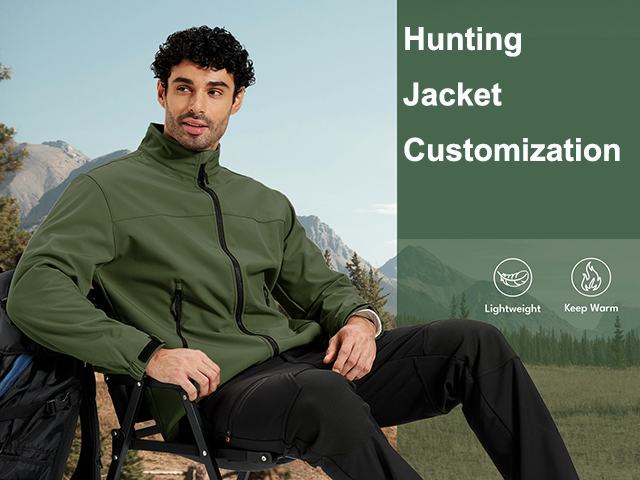
    A customer steps into the woods before sunrise. The wind is strong, the ground is wet, and the temperature keeps falling. After several hours, a hood that will not stay in place, noisy fabric, difficult pockets, or trapped moisture can turn a promising hunting jacket into a disappointing purchase. For B2B buyers, customer loyalty is often decided by these small functional details. A successful hunting jacket must do more than look technical. It should support movement, protect against changing weather, organize essential items, and remain comfortable through repeated use.   Start with the Hunting Scenario “Hunting jacket” is a broad category. A jacket designed for stationary hunting in cold weather will have different requirements from one used for hiking, tracking, or active outdoor movement. Before choosing fabrics and trims, define the main customer scenario: Will the wearer spend most of the time sitting, walking, or climbing? Is the target climate cold and dry, wet and windy, or variable? Will the jacket be worn over a base layer and fleece? Will the wearer carry a backpack, binoculars, radio, or other equipment? Is low-noise movement more important than maximum abrasion resistance? These answers influence fabric weight, lining, stretch level, pocket position, hood construction, and overall fit.   Weather Protection Is a Complete System The supplied reference images show a modern softshell-style direction with a hood, zippered pockets, adjustable cuffs, and a drawcord hem. These design details can help reduce wind entry and improve comfort, but weather protection does not come from the face fabric alone. A finished hunting jacket may rely on a combination of: Face fabric construction Coating or membrane Lining or backing Seam construction Zipper protection Hood, cuff, and hem adjustment Water-resistant fabric allows water to bead on the surface, but this does not automatically mean that the finished garment is waterproof. If a product will be marketed as waterproof, buyers should request the exact hydrostatic pressure method, breathability test method, seam-sealing details, and wash-durability results. Some product artwork may display specific waterproof or breathability figures. These numbers should not be treated as confirmed specifications until the supplier provides current laboratory reports and explains whether the results apply to the fabric or the finished jacket.   Quietness Matters in Hunting Apparel For hunting customers, fabric noise can be just as important as water protection. A stiff or rustling outer layer may become uncomfortable during slow movement and can reduce the product’s perceived quality. Quiet performance depends on more than fiber content. It can be affected by: Fabric surface and coating Fabric stiffness Zippers and zipper pulls Hook-and-loop fasteners Pocket construction Lining and seam movement A supplier comparison should include hands-on testing in a quiet environment. Buyers can evaluate the jacket while walking, crouching, reaching, opening pockets, and wearing a backpack. Stretch recovery should also be checked after repeated movement so that elbows, shoulders, and back panels do not become loose or distorted.   Make Every Pocket Purposeful A multi-pocket layout can be valuable, but adding more pockets does not automatically create a better product. Each pocket should have a clear function. Chest pockets may be useful for small equipment that needs quick access. Hand pockets should remain accessible when the wearer is carrying a pack or sitting. Inner pockets can protect personal items, while sleeve pockets may work for compact accessories. Important customization points include: Pocket opening angle Zipper direction and puller size Glove-friendly access Reinforcement at stress points Pocket depth and internal organization Drainage where appropriate Bulk created by pocket bags and lining Pocket placement should be tested on the actual garment, not only approved on a flat technical drawing.   Hoods, Cuffs, and Hems Improve Adaptability An adjustable hood can help customers respond to changing wind and rain. However, the hood should offer practical adjustment without blocking peripheral vision or creating loose cords that catch on equipment. Adjustable cuffs help seal the wrist and can also accommodate gloves. A drawcord hem may reduce cold-air entry, but the cord exit and stopper should be positioned where they are easy to operate and unlikely to interfere with a backpack or belt. A two-way zipper can improve comfort while sitting or climbing, but it also requires accurate installation and smooth operation. Buyers should check zipper alignment, slider strength, bottom-stop construction, and performance after repeated opening cycles.   Warmth and Moisture Management Must Be Balanced A brushed or fleece backing can improve handfeel and warmth, but a warmer lining is not always better for active customers. Excess insulation may trap heat and moisture during walking or climbing. A practical product range may include different constructions for different use scenarios: Lightweight softshell jackets for active movement Fleece-backed styles for cool-weather use More insulated versions for stationary hunting Layering-focused shells for customers who prefer modular systems Suppliers should confirm fiber content, fabric weight, thickness, pilling resistance, dimensional stability, and moisture-management performance. A composition ratio shown in a product image should be verified through the current fabric specification and testing documentation.   Full Customization Goes Beyond Adding a Logo For a full-custom menswear program, branding is only one part of product development. The buyer should be able to customize the garment’s functional architecture. This may include: Fabric structure, surface finish, and backing Color, camouflage layout, or contrast panels Hood shape and adjustment system Pocket quantity, location, and internal layout Zipper, cord, snap, and hook-and-loop selection Sleeve articulation and movement allowance Size grading and fit blocks Labels, packaging, and decoration method Decoration must also be evaluated against the fabric construction. Embroidery, heat-transfer graphics, woven patches, and printing can behave differently on stretch or coated materials. Placement should be selected to avoid reducing comfort, damaging a weather-resistant layer, or creating premature peeling after washing. A complete technical package should include a bill of materials, graded measurements, construction details, tolerance limits, artwork files, and approved trim references. This gives the factory a repeatable production standard instead of relying on visual interpretation.   What B2B Buyers Should verify Before Bulk Production A reliable approval process should test both the material and the finished jacket. Useful checks include: Fiber content, GSM, thickness, abrasion, and pilling Stretch and recovery after repeated movement Water resistance, hydrostatic pressure, and breathability Seam strength and zipper performance Colorfastness and shade consistency Dimensional stability after washing Pocket and drawcord attachment strength Decoration adhesion and durability Country-specific labeling and chemical compliance Testing should be performed on representative production samples whenever possible. A fabric swatch cannot fully demonstrate hood fit, pocket accessibility, seam leakage, or the comfort of the finished pattern. Bulk consistency is equally important. Buyers should retain a signed sample, approved color standard, trim references, measurement chart, and inspection criteria. The supplier should also explain how fabric lots, coating results, garment measurements, and reorders will be controlled.   How Lasen Can Guide a Full-Custom Hunting Jacket Program For buyers developing a private-label hunting jacket, Lasen can help translate a product idea or reference image into a production-ready specification. The process can begin with the target customer, climate, activity level, price range, and required functional details. From there, the team can coordinate fabric and trim selection, pocket and hood development, pattern adjustment, sample fitting, decoration, testing, and production quality control. Lasen is a company focused on fully customized menswear development, with three proprietary factories, a team of over 300 designers, and advanced garment production technology. It provides buyers with a structured pathway from concept development to mass production, while maintaining attention to fit, functionality, and consistent quality. The company is committed to becoming your brand partner. If your customers expect a hunting jacket to remain quiet, comfortable, weather-ready, and easy to use, send Lasen your target scenario and reference design. The right customization plan can turn functional details into stronger product reviews, repeat orders, and long-term end-customer loyalty.
    Read More
  • Full Custom Sunscreen T-shirt: From Fabric Selection to Cut‑Sew for Private Label Brands
    Full Custom Sunscreen T-shirt: From Fabric Selection to Cut‑Sew for Private Label Brands
    Aug 21, 2026
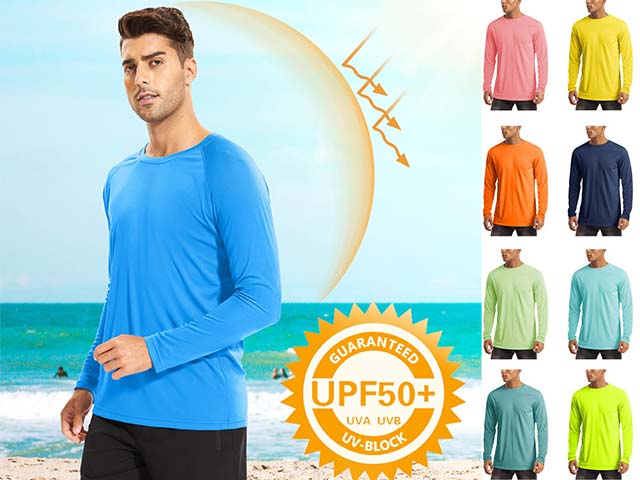
      Imagine a private label brand preparing a summer collection for coastal travel, hiking, outdoor work, and recreational swimming. The goal is not simply to source another long-sleeve T-shirt. The product must feel lightweight, protect the wearer from sunlight, dry efficiently, fit consistently, and carry a distinctive brand identity.   This is where a full custom sunscreen T-shirt becomes valuable. A custom sun protection shirt can be developed as a UPF 50+ performance tee, lightweight UV protection top, quick-drying outdoor T-shirt, swim cover shirt, hiking base layer, or branded activewear shirt. Each description should match the actual construction and verified performance. Start with the Correct Sun Protection Standard Many retail listings use phrases such as “UV SPF shirt” or “sunscreen T-shirt.” However, SPF is primarily used for sunscreen products applied to skin. Apparel is generally evaluated using UPF, or Ultraviolet Protection Factor. For a technical pack, buyers should specify the intended UPF level, testing method, fabric condition, color range, and whether testing is required before or after washing. Common testing references may include AATCC 183, AS/NZS 4399, and EN 13758-1, depending on the target market. A UPF claim should not be based only on a fabric supplier’s marketing description. Fabric weight, color, knit density, stretching, moisture, seams, and decoration can all affect the final garment’s protection. The finished long-sleeve sun shirt should therefore be tested in its actual production construction. Choose the Right Fabric for the Product Positioning Polyester microfiber is a common option for a lightweight quick-dry T-shirt. It can offer a good balance of cost, color flexibility, moisture management, and production efficiency. It is suitable for hiking shirts, running tops, outdoor work shirts, and general summer activewear. Nylon is often selected when a softer hand feel, smoother surface, or improved abrasion resistance is important. It can create a more premium-feeling UV protection shirt, although the material cost may be higher. Nylon-spandex blends can provide a comfortable stretch fit for movement-based products. Spandex improves stretch and mobility, but the percentage should be carefully controlled. Excessive stretch can affect dimensional stability, UPF performance, and recovery after repeated wear. Buyers should request stretch-recovery and wash-durability data instead of choosing a fabric only by touch. Recycled polyester may support a sustainability story for a private label apparel collection. In that case, the buyer should also verify fiber-content documentation, recycled-material certification, traceability, and consistency between sample and bulk production. Match Fabric Construction to End Use A lightweight jersey knit can create a soft, flexible, everyday T-shirt silhouette. Interlock fabric may provide a more stable surface and better opacity. Mesh or engineered ventilation panels can improve airflow in selected areas, but they may also create differences in appearance, stretch, and sun protection. For a swim-related cover shirt, the fabric should be evaluated for chlorine, saltwater, sunscreen residue, and repeated wet use. For hiking and workwear applications, abrasion resistance, pilling, colorfastness, and seam performance may be more important. The ideal custom T-shirt fabric is not necessarily the thinnest or softest option. It must balance opacity, breathability, moisture movement, stretch, drying speed, comfort, and durability. Build the Custom T-shirt through the Pattern Full customization begins with the silhouette. A brand may choose a close athletic fit, a standard crew-neck T-shirt fit, or a relaxed outdoor shirt shape. The correct choice depends on whether the garment is worn next to the skin, over swimwear, or as a casual layering piece. The technical pack should define chest width, shoulder width, body length, sleeve length, bicep width, cuff opening, neck opening, and measurement tolerances for every size. If the fabric contains stretch, the specification should clarify whether measurements are taken in a relaxed or extended state. Common design directions include: Classic crew-neck long-sleeve T-shirt Mock-neck UV protection shirt Raglan-sleeve outdoor performance tee Thumb-hole hiking shirt Relaxed swim cover T-shirt Slim-fit running base layer Color-blocked private label activewear top Neck construction also affects both comfort and perceived quality. Options may include a self-fabric neckband, binding, shoulder tape, mock-neck collar, or heat-transfer neck label. For garments worn during active movement, soft seams and stable neck openings can reduce irritation. Pay Attention to Cut-Sew Details Cutting quality influences the appearance of the entire garment. The factory should control fabric grain, stretch direction, panel matching, notch accuracy, and cutting-layer consistency. Poor control can result in twisted sleeves, uneven side seams, or inconsistent body measurements. Set-in sleeves offer a familiar T-shirt appearance, while raglan sleeves can create a more athletic visual effect and support easier movement. Underarm panels or gussets may be added for specific performance designs. Flatlock seams can reduce bulk in selected areas, but they require accurate machine settings and suitable thread tension. Coverstitching, binding, bartacks, cuff construction, and hem width should all be included in the construction specification rather than left to informal interpretation. Select Decoration According to the Fabric Branding is an important part of a full custom T-shirt project. Possible options include screen printing, heat-transfer graphics, sublimation, reflective details, silicone logos, woven labels, embroidered marks, and printed care labels. Sublimation may be suitable for certain synthetic fabrics and all-over graphic concepts. Heat transfers can create clean logos, but their adhesion, stretch behavior, and wash resistance should be tested. Embroidery can provide a premium appearance, although dense embroidery may add weight or stiffness to a lightweight performance shirt. The buyer should approve decoration through a physical sample. Important checkpoints include color accuracy, edge definition, cracking, peeling, puckering, hand feel, stretch recovery, and wash appearance Verify Performance Before Bulk Production A professional supplier should provide a testing plan that matches the product’s intended use. Depending on the collection, buyers may request: Fiber composition and fabric weight UPF performance Air permeability Moisture-wicking and drying performance Stretch and recovery Pilling resistance Dimensional stability after washing Colorfastness to washing, perspiration, and light Seam strength and seam slippage Print or transfer adhesion Chlorine and saltwater resistance for swim-related products UPF should be checked on the finished garment or representative finished construction whenever possible. A lab report for greige fabric or an unrelated fabric color cannot automatically confirm the performance of the final branded shirt. Use a Controlled Sample-Approval Process A reliable private label T-shirt project normally moves through several approval stages. The first prototype confirms the basic pattern and construction. A fabric and color sample confirms the material direction. A size set checks grading and fits across the full range. A pre-production sample confirms that the approved details can be reproduced before bulk cutting. Buyers should compare samples against a written checklist covering fabric hand feel, weight, color, measurements, neck shape, sleeve balance, seam appearance, logo placement, label details, packaging, and wash results. The pre-production sample should be treated as the production reference. Any change to fabric lot, dyeing, pattern, trim, decoration, or sewing method should be documented and approved. Control Cost through Total Value The lowest unit price does not always create the lowest total cost. A cheap fabric may cause opacity issues, poor recovery, pilling, shade variation, or failed performance testing. An inexpensive decoration method may increase returns if it cracks after washing. Total cost should include fabric development, laboratory testing, pattern development, sampling, grading, trims, decoration, packaging, inspection, defect allowance, freight, and potential reorder costs. For private label brands, consistent reorders are often more valuable than a small saving on the first order. Why Lasen Can Support Full Custom T-shirt Production For private label brands looking for an experienced full-custom T-shirt manufacturing partner, Lasen specializes in developing and producing customized T-shirts from fabric selection and design development through pattern making, cut-sew production, decoration, quality control, and packaging. Lasen operates three self-owned factories and has a design team of more than 300 designers. Supported by advanced garment production technology and an integrated manufacturing system, Lasen can help brands develop custom sunscreen T-shirts, UPF 50+ long-sleeve shirts, lightweight UV protection tops, quick-drying outdoor tees, swim cover shirts, and other private label activewear products. Brands can work with Lasen to turn a product concept into a tested, branded, and production-ready T-shirt collection.      
    Read More
  • Lightweight Summer Tactical T‑Shirts: Functional Fabric Guide & Bulk Custom Sourcing Tips
    Lightweight Summer Tactical T‑Shirts: Functional Fabric Guide & Bulk Custom Sourcing Tips
    Aug 17, 2026
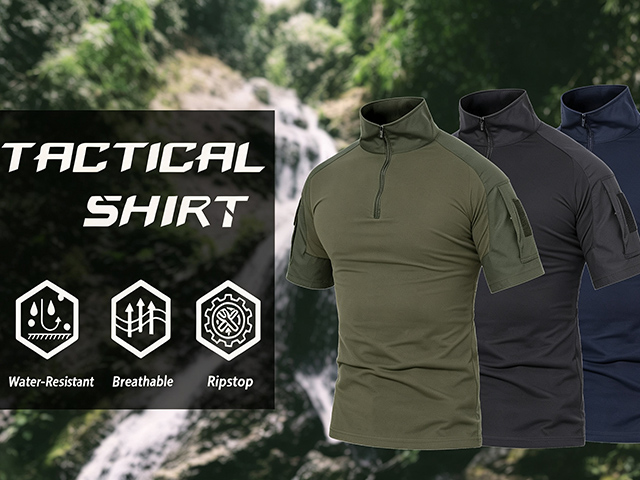
      During a summer field exercise, outdoor work shift, or extended equipment-based assignment, the wearer may experience heat accumulation from physical activity, solar exposure, and limited air circulation between the body and clothing. A tactical T-shirt must therefore address three separate performance factors: heat dissipation, liquid-moisture transport, and mechanical durability. Lightweight construction can reduce garment weight, but it does not automatically ensure breathability or comfort. These properties depend on fiber selection, yarn structure, knit density, fabric finishing, and ventilation design.   For B2B buyers, the term “tactical” describes a product’s intended use and functional design. It does not automatically indicate protective performance. The product should be evaluated according to its actual application, whether that involves field training, outdoor work, security uniforms, logistics, travel, or everyday active wear. Lightweight Does Not Simply Mean Thin Fabric weight is commonly measured in GSM, or grams per square meter. GSM affects the total garment weight, drape, opacity, and potential durability, but it should not be considered a complete measure of summer comfort. Two fabrics with similar GSM can feel very different because of differences in thickness, yarn count, knit density, surface finish, and air permeability. A very low-GSM fabric may reduce heat burden, but it can also become too transparent, lose shape more easily, or show greater wear around pockets and seams. A slightly denser fabric may provide better coverage, color depth, and abrasion resistance while still remaining comfortable in warm conditions. When comparing fabrics, buyers should request actual composition, GSM, thickness, air permeability, stretch recovery, pilling resistance, dimensional stability, and colorfastness data. Product images and general descriptions cannot verify these properties. Functional Fabric Options Polyester is widely used in summer performance apparel because it offers good color retention, dimensional stability, and production consistency. However, polyester fiber alone does not guarantee moisture-wicking performance. Liquid movement depends on yarn geometry, capillary channels, knit construction, and any applied finishing. Nylon can provide a smoother hand feel and strong abrasion resistance. It may be suitable for garments exposed to shoulder straps, equipment contact, or repeated friction. Its higher material cost should be balanced against the intended service life and market positioning. Polyester-cotton blends can improve softness and everyday comfort, but cotton generally retains more moisture than synthetic fibers and may take longer to dry during continuous activity. These blends may be more appropriate for lower-intensity work or uniform programs where natural hand feel is more important than maximum moisture transport. A small amount of elastane can improve stretch and range of motion. The key factor is not simply the presence of stretch, but whether the fabric recovers its original shape after repeated extension. Excessive stretch can affect garment stability, printing quality, and long-term appearance, so stretch recovery should be evaluated after washing. Breathability and Moisture Management Breathability and moisture management are related but different properties. Air permeability describes how easily air passes through the fabric. Moisture management describes how liquid spreads, moves, and evaporates across or away from the skin. A fabric may have high air permeability but poor liquid spreading, or strong moisture-spreading performance but limited air exchange. For this reason, buyers should evaluate both properties instead of relying on a single “breathable” claim.   Mesh panels and engineered ventilation zones can improve airflow around the underarms, sides, or upper back. However, a more open structure may reduce snag resistance, opacity, or protection from equipment friction. The best construction depends on the activity level and working environment. A useful development sample should be checked for air permeability, absorbency, spreading, drying behavior, and performance after repeated washing. Moisture-management finishes should also be tested after laundering because surface treatments may lose effectiveness over time. Fit and Mobility for Tactical Use Tactical T-shirts are often worn during reaching, lifting, bending, walking, or repeated upper-body movement. A comfortable fit should provide sufficient room across the shoulders and chest without creating excessive fabric around equipment or harnesses. Important fit points include shoulder width, armhole shape, sleeve length, back length, torso ease, and hem recovery. A garment that fits well while standing may pull across the back when the wearer reaches forward. Full-size-set fitting is therefore more reliable than approving only one sample size. Sleeve openings should allow arm movement without excessive tightness. A slightly extended back length can improve coverage during bending, but too much length may cause bunching under waist equipment. Side vents, shaped hems, or stretch panels may help mobility, but each added feature should be evaluated for appearance, durability, and production consistency. Construction and Functional Details The collar is one of the first areas to show wear. Buyers should check collar width, rib structure, recovery, seam smoothness, and resistance to twisting after washing. A stable collar improves the professional appearance of uniforms and reduces early replacement. Shoulder seams, side seams, underarm areas, and pocket openings usually experience higher stress than the main body fabric. Reinforcement may improve durability, but excessive layers can add heat and stiffness. Stitch density, seam allowance, bartacks, and thread selection should match the fabric weight and intended use. Functional details may include chest pockets, pen channels, loop panels, patch areas, or secure closures. These features should be selected according to actual equipment needs. Additional pockets can increase weight and create heat retention, while oversized hook-and-loop panels may affect comfort when worn under outer layers. Decoration also influences product performance. Embroidery can create stiffness or puckering on lightweight knits. Heat transfers may crack or peel if the fabric stretches beyond the decoration’s limits. Screen printing may require testing for color migration, wash durability, and surface smoothness. Choosing the Right Product by Use Scenario Use scenario Main priorities Suitable product direction Hot and humid outdoor work Air permeability, moisture spreading, quick evaporation, wash stability Lightweight knit with controlled ventilation Field training and equipment use Stretch recovery, abrasion resistance, shoulder stability, mobility Resilient fabric with reinforced stress points and secure functional details Daily work uniforms Opacity, colorfastness, pilling resistance, collar recovery Balanced fabric with a clean surface and reliable wash performance Travel and everyday active wear Soft hand feel, low bulk, easy care, shape retention Comfortable lightweight fabric with moderate stretch and minimal hardware In hot and humid climates, moisture transport and airflow should receive more attention than fabric softness alone. For field training, abrasion resistance and recovery may be more important than achieving the lowest possible GSM. For uniform programs, color consistency, collar stability, and wash durability often have a greater effect on product satisfaction.   How to Compare Samples Before Ordering Before approving a product, buyers should compare samples using the same evaluation criteria. The following questions are more useful than judging appearance alone: Does the actual fabric composition and GSM match the specification? Does the fabric remain opaque under normal lighting? Does the garment allow full arm and shoulder movement? Does the collar recover after stretching and washing? Do the seams remain flat without skipped stitches or excessive thread tension? Does the fabric resist pilling, snagging, shrinkage, and twisting? Does the decoration remain smooth and secure after laundering? Are pockets, loops, and reinforcement points positioned for the intended equipment? Does the garment maintain its color and shape after repeated care cycles? For bulk custom programs, the approved reference sample should include the final fabric, color, labels, trims, decoration, measurements, and packaging details. This creates a consistent product standard for future production and repeat orders. Final Thoughts A high-quality lightweight summer tactical T-shirt is not defined by low fabric weight alone. Its performance results from the interaction between fiber content, yarn structure, knit density, moisture management, garment fit, ventilation, seam construction, and functional details.   The most suitable product is the one that matches the actual use scenario and provides measurable performance after washing and repeated wear. By comparing fabric data, testing complete garments, and checking practical features, B2B buyers can choose a summer tactical T-shirt that combines comfort, mobility, durability, and reliable customization potential.   Lasen is a manufacturer specializing in men's apparel with a decade of experience. Every garment undergoes rigorous quality inspections, and we partner with over 80 fabric suppliers to ensure our products meet your specifications. If you are interested in tactical T-shirts, please feel free to contact us.
    Read More
  • Sourcing High-Performance Thermal Fleece Base Layers: A Technical Guide for B2B Buyers
    Sourcing High-Performance Thermal Fleece Base Layers: A Technical Guide for B2B Buyers
    Aug 14, 2026
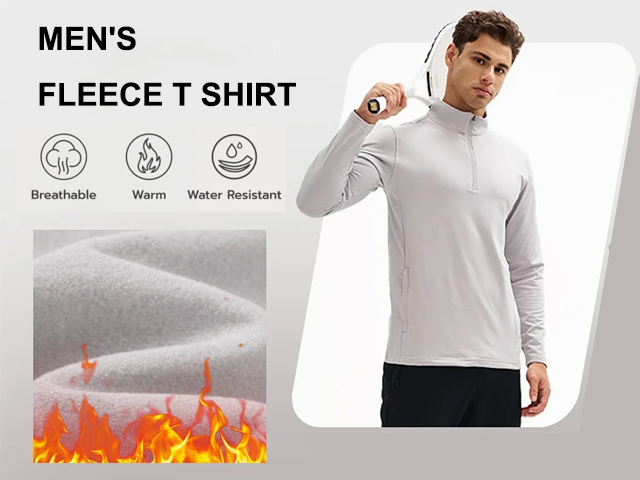
    Thermal fleece base layers are widely used in sportswear, outdoor apparel, workwear, uniforms, and winter clothing. For B2B buyers, selecting the right product requires more than comparing fiber composition or visual appearance.   Performance depends on several interacting factors, including fabric construction, weight, fiber type, brushing method, fit, moisture management, seam quality, testing standards, and the intended end use. This guide outlines the main considerations for sourcing thermal fleece base layers from an objective, product-development perspective. What Is a Thermal Fleece Base Layer? A thermal fleece base layer is generally a close-fitting garment designed to be worn next to the skin or as part of a layering system. The term “fleece” usually describes the brushed or raised inner surface of the fabric rather than a specific fiber. Common fabric options include: Polyester fleece Nylon and spandex blends Polyester-spandex blends Merino wool or wool blends Recycled synthetic fibers Double-knit or brushed jersey fabrics The purpose of the brushed inner surface is to create a soft hand feel and help retain air. However, the actual warmth of a garment cannot be determined by the word “fleece” alone. Fabric weight, surface density, loft, fit, air permeability, and the wearer’s activity level all influence thermal performance. Understand How Warmth Is Created Thermal performance is influenced by the amount of still air held within or around the fabric. A brushed inner surface can increase softness and help create an insulating layer, but a thicker fabric is not always better. A heavy garment may provide more warmth but can also: Increase bulk under outerwear Dry more slowly Feel uncomfortable during high-intensity exercise Increase shipping weight Raise material and production costs   For this reason, buyers should define the target use before selecting fabric weight. A lightweight running base layer, a winter workwear undershirt, and a ski base layer may require different constructions. Useful specifications to request include: Fabric weight in GSM Fabric thickness Brushing or fleece density Air permeability Thermal resistance Moisture regain or drying performance Dimensional stability after washing Evaluate Moisture Management A base layer should manage perspiration according to the activity level and climate in which it will be used. Synthetic fabrics generally dry quickly because they absorb less moisture than many natural fibers. Wool can absorb and buffer moisture while maintaining a relatively dry surface, but it may dry more slowly than lightweight synthetics. When reviewing supplier claims, buyers should ask: Is the moisture management created by the fiber, fabric structure, or a chemical finish? Is the finish long‑lasting after repeated washing? Has the fabric been tested under a recognized standard? Does the fabric spread moisture across the surface or merely absorb it? Does the garment remain comfortable during high-intensity movement? Moisture-wicking claims should be supported by test data rather than marketing language alone. Assess Stretch and Recovery Stretch is important for close-fitting base layers, especially in sports, workwear, and outdoor applications. A 4-way stretch construction may improve freedom of movement, but the quality of stretch depends on both the fabric and garment pattern. Buyers should evaluate: Stretch percentage in both directions Recovery after repeated extension Elbow and shoulder bagging Waist and cuff recovery Seam strength under tension Comfort during overhead and rotational movement   A high elastane percentage is not automatically better. More stretch can improve mobility but may increase cost, affect compression, or reduce long-term shape retention if the fabric is not properly engineered. Consider Garment Construction Garment design should be evaluated in relation to end use rather than treated as a universal indicator of quality. Mock Neck A mock neck can provide additional coverage and reduce direct exposure to cold air. It may be appropriate for winter sports, outdoor work, and casual cold-weather wear. Potential trade-offs include increased warmth around the neck, possible restriction for some users, and reduced compatibility with certain collars or protective equipment. Raglan Sleeves Raglan sleeves can reduce the prominence of shoulder seams and support a wider range of arm movement. They are commonly used in athletic garments and outdoor clothing. However, the sleeve design alone does not guarantee comfort. Pattern balance, armhole shape, seam placement, and fabric recovery also affect fit. Seam Construction Flat seams, coverstitching, or carefully positioned overlock seams may reduce skin irritation. The appropriate construction depends on fabric thickness, stretch, target price, and production capability. Buyers should inspect: Seam appearance Seam stretch Thread tension Skipped stitches Puckering Loose threads Reinforcement at high-stress points Match the Product to the Application There is no single thermal base layer that is ideal for every market.   Application Main Priorities Possible Trade-Offs Running and training Lightweight fabric, drying speed, stretch May provide limited warmth in static conditions Ski and snow sports Insulation, moisture control, close fit Higher weight and cost Outdoor workwear Durability, coverage, easy care May prioritize robustness over softness Travel clothing Odor control, packability, comfort Premium fibers may increase price Uniform programs Size consistency, color stability, repeat supply Customization may increase MOQ Fashion retail Appearance, hand feel, color options Performance claims require verification Promotional apparel Cost, decoration compatibility, availability Technical features may be more limited Selecting by application helps buyers avoid over-specifying features that do not create value for the end user. Conclusion Sourcing a thermal fleece base layer requires a balanced evaluation of materials, fabric construction, fit, moisture management, durability, compliance, and supply-chain capability.   Features such as micro-fleece lining, stretch fabric, mock necks, raglan sleeves, and synthetic fiber blends may be appropriate for certain applications, but none of them should be treated as proof of superior performance by themselves. The final assessment should be based on measurable specifications, laboratory or wash testing, sample evaluation, and consistent bulk-production control.   For B2B buyers, the most reliable sourcing process is to define the end-use requirements first, compare alternative constructions objectively, verify supplier claims, and approve a detailed technical specification before production. This approach supports better product positioning, more predictable costs, and fewer quality issues across different markets.   Lasen is a supplier specializing in men's apparel with a decade of experience; every product undergoes rigorous quality inspection. We invite you to contact us if you are interested in sourcing high-performance thermal fleece base layers.  
    Read More
  • Moisture-Wicking Polo Shirts for Golf and Outdoor Performance Wear: What Should Apparel Buyers Evaluate?
    Moisture-Wicking Polo Shirts for Golf and Outdoor Performance Wear: What Should Apparel Buyers Evaluate?
    Aug 10, 2026
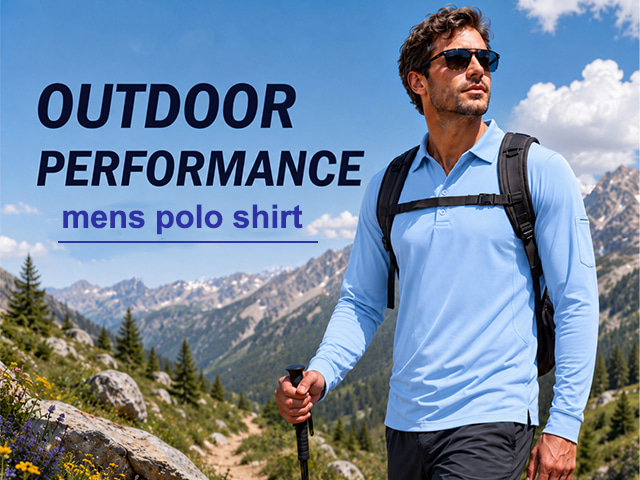
    A polo shirt may look simple, but its performance depends on much more than its collar and short-sleeve silhouette. During a golf game, a summer commute, a business trip, or an outdoor team event, wearers need airflow, freedom of movement, moisture management, and a polished appearance after repeated washing. For apparel buyers and product development teams, the key question is not whether a shirt is described as moisture-wicking or quick-drying. The more important question is whether its fabric, construction, and styling match the intended market. What Is a Performance Polo Shirt? A performance polo shirt is a collared knit top developed with functional fabric and construction features that improve comfort during movement and warm-weather use. These features may include moisture wicking, quick drying, breathability, stretch, shape retention, and easy-care performance. Unlike a conventional cotton polo, a performance knit is designed to move moisture away from the skin and spread it across the outer surface of the fabric. This can support faster evaporation and reduce the damp feeling associated with perspiration. The result depends on fiber composition, yarn structure, fabric weight, knit construction, and finishing treatment. Terms such as “moisture-wicking” and “quick-drying” are widely used in the apparel market, but they are not universal performance ratings. Buyers should request test data that explains how moisture management, drying time, stretch recovery, and air permeability were evaluated. How Fabric and Construction Create Wearer Value Moisture Wicking and Quick Drying Moisture wicking is based on the movement of liquid through the fabric. A suitable performance knit can transport perspiration from the inner surface to the outer surface, where it spreads over a larger area and evaporates more efficiently. This performance may come from hydrophobic synthetic fibers, engineered yarns, a particular knit structure, or a moisture-management finish. A water-repellent finish alone does not necessarily provide effective moisture wicking, so buyers should distinguish between water resistance and perspiration management.   Perspiration management. For a golf performance polo or lightweight outdoor performance wear program, testing should review wetting time, absorption rate, spreading speed, one-way transport, and drying time. AATCC TM195 and the GB/T 21655 series are examples of test methods used to evaluate textile moisture management. The selected method should be confirmed with the testing laboratory according to the product claim and destination market.   Breathability and Lightweight Comfort Breathability influences how comfortable the garment feels in warm and active environments. The exact construction should be confirmed during development because pique, interlock, jersey, and other knit structures can provide different levels of airflow, opacity, stretch, and surface durability. Air permeability may be evaluated under ASTM D737 or ISO 9237. However, fabric test results should be considered together with garment design. Sleeve openings, collar construction, body fit, and side slits all affect how the shirt feels when worn. Lightweight fabric can improve packing efficiency and reduce heat retention, which is useful for travel and summer uniforms. At the same time, a lower fabric weight may create challenges related to opacity, snagging, abrasion, and pilling. GSM should therefore be reviewed alongside fiber composition, color, and intended end use.   Four-Way Stretch and Movement The four-way stretch capability showcased in the product images makes this shirt particularly well-suited for golf, travel, driving, and light outdoor activities. The fabric's elasticity in both horizontal and vertical directions allows it to flex with the wearer's movements without restricting the shoulders, chest, or back. Stretch alone, however, does not guarantee long-term performance. The fabric also needs sufficient recovery after movement and laundering. Poor recovery can lead to a loose body, distorted placket, or stretched collar. For a custom polo shirt line, buyers should confirm the stretch percentage, recovery rate, dimensional stability, and performance after repeated washing. These details are more useful for product development than simply describing the shirt as flexible.     Classic Collar, Placket, and Side Slits The classic collar and three-button placket give the shirt a familiar appearance across golf, hospitality, corporate teamwear, and smart-casual retail. This makes the style commercially adaptable without relying on highly specialized styling. The side slits add ease around the hip and allow the shirt to be worn either tucked in or untucked. They can also improve comfort when the wearer is seated or moving frequently. The sunglasses loop is a small outdoor-oriented detail that adds practical value for golf, travel, and resort settings. From a quality-control perspective, buyers should check collar recovery, button attachment, placket alignment, side-slit symmetry, and seam appearance. These details strongly influence how professional the finished shirt looks, especially in uniform and teamwear programs. Product Positioning by Use Scenario    1. Golf & Resort Wear   Core demands: Mobility, sweat-wicking, neat silhouette, diverse colors.   Key features: Stretch fabric for full-range movement; classic collar for formal golf/resort aesthetics.   Development focus: Collar stability, fabric recovery, pill/color fade resistance, sweat management.   Color palette: Navy, olive, royal blue, burgundy (suitable for uniforms and seasonal lifestyle collections).    2. City Commute & Smart Casual Wear   Core scenario: Commuting, casual office, dining and daily social occasions.   Key features: Stable collar and clean placket (prioritized over technical styling); side-slit hem for relaxed untucked wear without overly sporty look.   Color matching: Navy pairs with white/stone chinos; olive fits beige technical trousers; burgundy/royal blue add stylish tones.    3. Travel & Casual Performance Wear   Core demands: Lightweight, packable, quick-dry, multi-scene adaptability (sightseeing, dining, casual outdoor, informal business).   Development focus: Wrinkle resistance after packing, fast hand-wash drying, snag resistance, color stability and odor control.   Note: Dark colors are travel-practical but easily show lint, fading and surface wear.    4. Light Outdoor Work & Teamwear   Applicable groups: Event crews, golf/hospitality staff, brand promoters and light outdoor workers.   Key features: Structured collar for professionalism, functional knit for all-day comfort.   Important reminder: Not for protective or tactical use. High-visibility, flame retardant, chemical-proof and other protective functions require extra design and certification.    5. Hot & High-Elevation Environments   Product trait: Breathable short sleeves fit hot climates but offer no arm sun protection.   Market matching: Best sold with supporting items (long-sleeve sun shirts, overshirts, UPF-tested garments, caps) for high-UV high-altitude areas.   Critical notes: No verified UPF rating by images; UPF value may drop 30–50% when wet. High-altitude areas have 10–12% higher UV exposure. These are R&D references, not marketable product claims. B2B Buying and Product Development Guidance Match the Polo to the Brand’s Product Line A similar polo silhouette can serve different market positions, but each position requires different performance priorities. A lifestyle polo may focus on hand feel and appearance, while a golf performance polo may place more emphasis on stretch, moisture management, and collar recovery. A corporate teamwear version may require stronger color control, decoration compatibility, and wash durability. These products are better treated as complementary rather than interchangeable. A short-sleeve performance polo can serve warm-weather versatility, while a cotton polo, long-sleeve UPF shirt, or lightweight softshell jacket can address different comfort and weather requirements.   Product Type Main Use Key Development Focus Product Line Role Performance short-sleeve polo Golf, travel, warm-weather casual wear Wicking, stretch, quick drying Core summer style Cotton or cotton-blend polo Lifestyle and casual retail Hand feel, appearance, comfort Casual complement Long-sleeve UPF shirt High-sun outdoor use Tested UV protection and coverage Sun-protection complement Lightweight softshell jacket Windy or changeable weather Wind resistance, stretch, layering Weather-layer complement   Fabric, Testing, and Quality Control Before approving bulk production, buyers should confirm fiber composition, fabric weight, knit structure, stretch and recovery, pilling resistance, dimensional stability, colorfastness, and decoration compatibility. The final garment should be tested rather than relying only on fabric claims. Performance can change after dyeing, finishing, sewing, stretching, and laundering. A pilot run is useful for checking color consistency, collar dimensions, side-slit construction, placket alignment, and logo application. The exact compliance route depends on the destination country, product classification, labeling, and marketing claims. Testing the finished garment in its intended color range provides a more reliable basis for product communication.   Final Thoughts A performance polo shirt combines a familiar silhouette with functional comfort. The reference design brings together a classic collar, three-button placket, side slits, sunglasses loop, lightweight construction, moisture wicking, quick drying, breathability, and four-way stretch. For B2B buyers, the long-term value comes from matching these features to a clear market position. Golf, travel, corporate teamwear, casual retail, and light outdoor uniforms may share the same basic design, but they require different testing plans, fabric targets, decoration methods, and quality controls. A short-sleeve performance polo can serve as a versatile warm-weather product, while cotton polos, long-sleeve sun shirts, and lightweight outer layers can complete a broader outdoor performance wear collection. With extensive experience in polo shirt manufacturing, Fujian Lasen Technology Co., Ltd. maintains strict standards for fabrics; through strategic partnerships with over 80 fabric suppliers, the company is able to meet diverse customization needs.  
    Read More
  • Soft-Shell Ski Jackets: A Winter Functional Outerwear That B2B Buyers Cannot Overlook
    Soft-Shell Ski Jackets: A Winter Functional Outerwear That B2B Buyers Cannot Overlook
    Aug 07, 2026
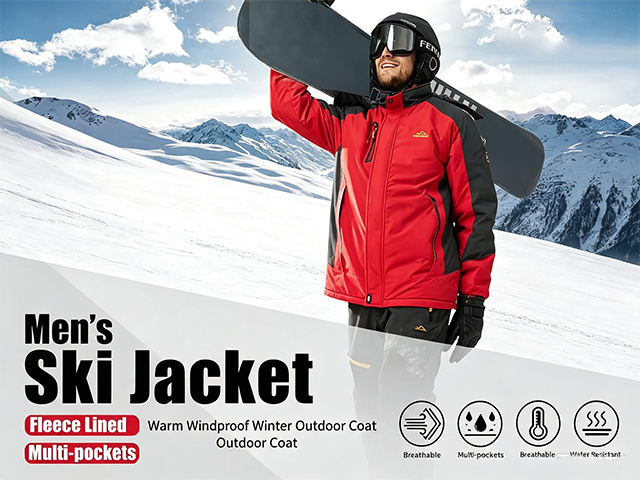
      Every winter, ski apparel stands out as one of the hottest-selling segments in the outdoor gear market. However, for B2B buyers and brand development teams, the real question is not whether to offer skiwear, but rather what kind of skiwear will capture a wider range of usage scenarios, minimize inventory risk, and boost sell-through rates. Traditionally, ski jackets have been viewed as highly specialized items—bulky, single-purpose, and limited to specific settings. Yet, recent market trends indicate that soft-shell ski jackets—which combine outdoor protective performance with everyday comfort—are emerging as a key growth category for an increasing number of brands. Adopting a B2B procurement perspective, this article systematically breaks down the core performance metrics, functional design logic, usage scenario segmentation, and compliance essentials for soft-shell ski jackets, helping procurement decision-makers understand the long-term commercial value of this category.   What is a softshell ski jacket? According to the Chinese national standard GB/T 41176-2021 Professional Sports Clothing – Ski Wear, a ski jacket is defined as a garment made of textile fabric that is waterproof, moisture-permeable, and windproof, and features specific structural characteristics required for skiing activities. Soft-shell ski jackets represent a specific category within this broader classification, characterized by: Fabric structure: Utilizes stretch-woven fabric bonded with a waterproof, moisture-permeable membrane, balancing protection with freedom of movement. Wearing experience: Compared to traditional hard-shell ski jackets, soft-shell jackets are lighter, quieter, and offer a more comfortable, close-fitting feel. Versatility: Suitable for a wide range of daily settings—from the slopes to the city, and from active sports to casual wear.   What's It Like to Get Caught in the Rain While Skiing? Imagine this: you've just finished a black diamond run, your body is warm, and suddenly you encounter a snowstorm as the chairlift ascends to the mid-mountain. If your jacket isn't waterproof enough, melting snow will seep through the fabric; if it lacks sufficient breathability, the sweat accumulated during exercise will condense into water droplets on the inner layer—attacked from both outside and inside, you'll be soaked through and through—and then you still have to ride the remaining eight minutes of the chairlift in the cold wind. This is the last experience a ski jacket should ever put its wearer through. This product's combination of waterproofing and breathability—10,000 mm hydrostatic pressure + 5,000 g/m²/24h moisture vapor transmission rate (MVTR)—is precisely the performance baseline set to address this pain point.   Waterproofing: It's Not Just About "Water Repellency" The DWR (Long-Lasting water repellent) treatment on ordinary jackets can only last 5–15 minutes in continuous rain or snow. The real guarantee of waterproofing comes from the membrane layer in the middle of the fabric, and its protective capability is quantified by the hydrostatic pressure test (ISO 811 / AATCC 127)—the fabric is clamped and water pressure is applied until water seepage occurs. A test result of 10,000 mm H₂O means: in heavy snowfall of 50–100 mm per hour, the wearer can stay dry on the inside for up to two hours. This figure significantly exceeds the basic requirement of 30 kPa (approximately 3,000 mm) for ski wear before washing as specified in China's national standard GB/T 41176-2021. B2B Sourcing Tip: There's no need to blindly chase top-tier values of 15,000 or 20,000 mm. The higher the waterproof rating, the stiffer and less breathable the fabric typically becomes, and the cost increases significantly. 10,000 mm is widely recognized in the industry as the "golden balance point" for skiing scenarios—sufficient for harsh weather without compromising wearing comfort. For brands targeting the mass ski market, this is the most cost-effective specification choice.     Breathability: The "Second Skin" During High-Intensity Exercise Skiing is essentially intermittent high-intensity exercise—heart rate can reach 150+ beats per minute during descents, while you're completely stationary on the chairlift ascent. This rhythm of "intense activity followed by sudden rest" places extremely high demands on the breathability of clothing. A moisture vapor transmission rate of 5,000 g/m²/24h, simply put, means: each square meter of fabric can release 5 kilograms of water vapor in one day. For a single day of skiing, this moisture discharge capacity is sufficient to handle the sweat output of most skiers. The national standard requires ski wear to have a moisture vapor transmission rate of no less than 3,000 g/(m²·24h), and this product exceeds this baseline by nearly 70%. This means that during continuous skiing, sweat can be discharged in time without condensing inside the garment. This is not just a comfort issue—the evaporative cooling effect after moisture condensation can cause a sudden drop in body temperature, which is directly related to safety risks.   Windproofing: An Underestimated "Warmth Formula" In ski equipment, the relationship between windproofing and warmth is often misunderstood. Many people believe that warmth mainly comes from thickness, but in high-altitude environments, the actual formula is: Feels-like Temperature = Ambient Temperature − Cooling Effect from Wind Speed For every 1 m/s increase in wind speed, the feels-like temperature drops by approximately 1°C. An 8 m/s wind on a ridge can turn an ambient temperature of -5°C into a feels-like temperature of -13°C—this gap cannot be compensated by simply adding another layer of fleece. The national standard GB/T 41176-2021 requires ski wear to have an air permeability rate of ≤10 mm/s, essentially mandating that "wind cannot pass directly through the fabric." Through the dual design of a windproof placket + membrane structure, the air permeability rate is controlled within the standard, ensuring that wind chill effect does not become a safety hazard or comfort killer during chairlift ascents or exposed ridge sections. Significance for procurement decisions: Windproofing is the performance dimension most easily overlooked by end consumers, yet most likely to "generate complaints" in real-world experience. If a jacket rated at 10,000 mm waterproofing cuts corners on windproofing, skiers will feel "wind leaking through" with just one gust on the ridge—this negative experience will directly translate into bad reviews and returns. Therefore, in product specifications, windproof data should receive equal attention as waterproof data.     Product Functional Design: Every Detail Has Engineering Consideration Protection System Configuration Detachable zip-up hood: The hood can be worn over a helmet for additional protection while skiing; it can be removed for everyday wear to achieve a cleaner look. This design allows the same jacket to adapt to multiple scenarios—ski resorts, mountain town leisure, travel commuting, and more. Two-way zipper: During skiing, unzipping from the bottom allows for quick ventilation and cooling without taking off the entire jacket. This detail is crucial for body temperature regulation after high-intensity descents.   Temperature Management Thermal fleece lining: A warm fleece layer is bonded to the inner side of the waterproof breathable membrane, locking in body heat while avoiding the bulkiness caused by heavy padding. Compared to the thick padding structure of traditional ski wear, thermal fleece lining achieves a better balance between warmth and freedom of movement. Soft-shell fabric structure: The outer layer is wear-resistant and windproof, the middle layer is waterproof and breathable, and the inner layer is warm and skin-friendly—three layers are integrally formed, capable of handling most cold environments without additional layering.   Detail Configuration Adjustable cuffs and hem drawcord: Prevent snow and cold wind from entering through the cuffs and hem, while allowing flexible adjustment of tightness according to the thickness of inner layers Five-pocket configuration: One chest pocket, two hand pockets, one mesh pocket, one inner pocket—reasonably distributed to meet the categorized storage needs of items such as ski passes, phones, goggles, gloves, and energy supplements     Usage Scenario Segmentation: One Jacket Covers Multiple Consumer Pathways Ski Resorts & Chairlift Skiing In ski resort environments, soft-shell ski jackets, with their moderate warmth and protection, can cover all-time wearing needs from descents to chairlifts, from morning to afternoon. For rental markets or ski resort retail channels, a "good enough" soft shell is far more acceptable to average skiers than an "overly professional" hard shell.   Backcountry & Ski Mountaineering Backcountry skiing and ski mountaineering involve extensive uphill hiking, generating significant body heat and placing extremely high demands on breathability and freedom of movement. The stretch fabric and excellent moisture management of soft shells make them the ideal choice for these high-output activities.   Apres-Ski & Mountain Town Daily Life Ski trips are usually not limited to the slopes themselves—transfers, dining, shopping, and socializing take up a lot of time. Hard-shell ski suits look too "gear-heavy" off the slopes, while the casual appearance and comfortable wearing feel of soft shells allow them to seamlessly transition between multiple life scenarios inside and outside the ski resort.   Metropolitan Commuting & Winter Travel For non-skiing users, a soft-shell jacket with waterproof, windproof, and warm functions is also a practical choice for winter urban commuting and travel. This means that when brands source soft-shell ski jackets, they actually gain potential customer coverage far beyond a single ski category.   B2B Procurement Guide: Sourcing, Compliance, and Supply Chain Considerations Key Points for Fabric and Craftsmanship Screening Not all products with the same labeled parameters perform consistently. B2B sourcing should focus on: Membrane technology: Lamination generally offers better durability and breathable stability than coating Seam taping: Fully taped seams ensure no water seepage at needle holes, which is the basic craftsmanship threshold for ski wear DWR durability: Long-Lasting water repellent treatment must withstand multiple washes; suppliers should be required to provide performance degradation data after washing   Regional Market Adaptation Recommendations North American market: Mature ski culture, consumers prefer multi-functional products—one jacket covering skiing, hiking, and daily use is a standout selling point European market: Environmental compliance requirements are increasingly strict; PFC-free DWR treatment and recycled fabrics are becoming brand differentiation factors Asia-Pacific market: Lightweight, packable, and urbanized appearance designs are more favored by young consumers   Chemical Compliance Requirements GB/T 41176-2021 clearly requires testing for restricted substances such as nonylphenol ethoxylates (NPEO), perfluorooctane sulfonate (PFOS), and perfluorooctanoic acid (PFOA). Procurement contracts should explicitly require suppliers to provide test reports certified by CNAS/CMA.   Consumer Wearing Guide (Reference for Retail Content Support) Although this article is primarily aimed at B2B procurement decisions, understanding how end consumers actually wear the product helps define product positioning more precisely: Base layer: Moisture-wicking merino wool or synthetic fiber underwear Mid layer: Light fleece or down vest, flexibly added or removed depending on temperature Ski jacket (soft shell): The thermal fleece lining of this product already provides certain warmth; in most scenarios, no heavy mid layer is needed Accessories: Adjustable cuffs can be worn over glove cuffs to form a seal; the hood is compatible with most ski helmets The jacket's minimalist design language also makes it suitable for everyday wear—paired with functional pants or casual pants, it completes the scene transition from the slopes to the streets.   Conclusion Soft-shell ski jackets are not "stripped-down versions" of hard shells, but rather functional outerwear independently designed for different usage scenarios. With a core performance combination of 10,000 mm waterproofing, 5,000 g breathability, windproof structure, and thermal fleece lining, they provide sufficient protection in skiing scenarios while demonstrating advantages in comfort, freedom of movement, and scenario versatility that hard shells cannot match. For B2B buyers and brand development teams, incorporating soft-shell ski jackets into the winter product line offers triple value: Broader customer coverage: From professional skiers to winter travelers, from outdoor sports enthusiasts to urban commuters Reduced inventory risk: Multi-functional attributes mean longer selling seasons and wider price acceptance ranges Enhanced brand differentiation: In a market where hard-shell products are highly homogeneous, comfortable soft shells provide a new dimension of competition As functional apparel consumption becomes increasingly rational, consumers no longer pay only for "extreme parameters," but value more the "comprehensive experience in real scenarios." Soft-shell ski jackets precisely respond to this trend.   Why Choose Us? With ten years of focus on ski jacket manufacturing, Fujian Lasen Technology Co., Ltd. take garment production as our core, integrate upstream and downstream supply chain resources including fabrics and accessories, and have established a market system covering the US and European markets. Our services cover ODM/OEM development, ski resort bulk procurement, and corporate uniform customization, with full-process control capability from R&D to shipment. Ten years, doing only one thing: making every ski jacket that leaves the factory worthy of the test of the snowy mountains.
    Read More
  • B2B Procurement Guide | In-Depth Analysis of Waterproof and Breathable Performance of Tactical Softshell Jackets and Supplier Evaluation
    B2B Procurement Guide | In-Depth Analysis of Waterproof and Breathable Performance of Tactical Softshell Jackets and Supplier Evaluation
    Aug 03, 2026
    What is the most fundamental contradiction in tactical outerwear design? It is the balance between waterproofing and breathability. When a fabric is completely waterproof, it often has to sacrifice the ability to release internal moisture; conversely, if breathability is too high, it becomes difficult to withstand sustained rainfall. For tactical professionals, law enforcement personnel, and outdoor workers, both of these properties are indispensable. This article approaches the topic from a B2B procurement perspective, providing an in-depth analysis of the key performance indicators that determine the quality of tactical softshell jackets, explaining the real meaning behind these numbers, and guiding procurement leaders on how to evaluate supplier performance claims and mitigate procurement risks. Tactical Softshell Jacket: Core Structure Buyers Need to Understand Softshell jackets sit between lightweight fleece garments and heavy waterproof hardshells, prioritizing flexibility, breathability, and freedom of movement. Tactical softshells add mission-oriented features on this foundation: reinforced stress points, multiple pocket configurations, windproof stand-up collars, and adjustable cuffs and hems.   Their construction typically follows a three-layer composite principle: the outer layer consists of Hard-wearing woven fabric (polyester-spandex blend) treated with DWR (Durable Water Repellent); the middle membrane layer is a waterproof yet breathable film that blocks liquid water while allowing water vapor to pass through; and the inner layer is made of fleece or microfiber, providing warmth and skin-friendly comfort. For buyers, the material and craftsmanship of each layer directly impact the balance between cost and performance.   Core Metric 1: Waterproof Rating (mm H₂O) Waterproof rating is measured in millimeters of water column, which indicates how much water pressure a fabric can withstand before leaking. For example,10,000 mm H₂O means the fabric can withstand the pressure of a 10-meter water column without seepage.   Waterproof Rating Reference: Grade range Level of protection Typical Applications 1,000 – 5,000 mm Light rain/Light snow Casual jackets, daily commuting 5,000 – 10,000 mm Moderate to heavy rain Outdoor workwear, softshell jackets 10,000 – 20,000 mm Heavy Rain/Extreme Conditions Advanced tactical, skiing, and mountaineering equipment >20,000 mm Torrential rain / Prolonged exposure Professional hardshell, GORE-TEX Pro   For tactical softshells, 10,000 mm has become the industry benchmark. This rating provides reliable protection against sustained rainfall and wet snow while maintaining the flexibility and breathability expected of a softshell. Why 10,000 mm Is a Critical Procurement Threshold A 10,000 mm waterproof rating represents field-grade protection that directly relates to end-user satisfaction and return rates. It ensures reliable rain protection that effectively withstands heavy rain and humid environments without easily soaking through, prevents snow penetration during winter duty operations, and maintains load-bearing durability by retaining waterproof performance during activities such as movement, crawling, and equipment carrying.   Core Metric 2: Breathability Rating (g/m²/24hr) Breathability measures how much water vapor (i.e., sweat) can pass through a unit area of fabric in 24 hours.For example, 5,000 g/m²/24hr means that one square meter of fabric can transfer 5,000 grams of water vapor outward in a single day.   Breathability Rating Reference: Grade range Breathability level Typical Applications 1,000 – 3,000 g Lower Casual daily wear, light activity 3,000 – 5,000 g medium Outdoor sports, hiking, tactical 5,000 – 10,000 g Relatively high High-intensity exercise, high-altitude activities >10,000 g Extremely high Extreme endurance, professional mountaineering   Tactical softshells choose 5,000 g as the balance point—it ensures no overheating during intense exercise while maintaining sufficient waterproof integrity. Why Breathability Is Essential for Tactical Gear Poor breathability affects tactical gear far beyond simple comfort issues; it can become an operational hazard and source of complaints. Moisture accumulation causes sweat to become trapped and condense inside the garment, while temperature regulation failure means that damp insulation loses its thermal properties, leading to hypothermia risk. Additionally, performance degradation occurs as the "sticky feeling" distracts attention and reduces operational efficiency. For professionals who frequently switch between intense physical activity and stationary observation, breathability is a design consideration that must be addressed.     The Waterproof vs. Breathability Tradeoff: What Buyers Must Know Waterproofing and breathability are inherently conflicting. A completely impermeable fabric will necessarily also block water vapor. The engineering challenge lies in creating a membrane that can block liquid water (due to its larger molecular clusters) while allowing water vapor (individual molecules) to pass through. Comparison of Mainstream Membrane Technologies High-end softshells typically use one of two membrane technologies: Technology Type Principle Performance Level Cost Application Scenarios Hydrophilic Non-porous TPU Membrane Molecular diffusion absorbs and transports moisture, thickness 15–25μm Meets mainstream needs Lower Bulk workwear, cost-performance priority Microporous Membrane (ePTFE) Micropores smaller than liquid water molecules, larger than water vapor molecules Higher Relatively high High-end tactical, professional outdoor   For B2B buyers, the key is not just the nominal values, but the consistency of performance in mass production. A jacket that reaches 10,000/5,000 in the laboratory may perform significantly worse in the field if the membrane lamination quality is unstable or the DWR coating fails prematurely. Other Key Factors Influencing Procurement Decisions Waterproof and breathability ratings provide a quantitative benchmark, but they are far from everything. The following factors also determine whether a tactical softshell can be called "high-end," and directly impact procurement costs and end-user experience. Wind Resistance Windproof capability is often overlooked in specification sheets, yet it greatly affects thermal comfort. Truly windproof fabrics should have an air permeability of ≤ 1.0 cfm (< 5 l/m²/s). In tactical scenarios, the wind chill effect accelerates body heat loss, and cold wind penetrating the fabric weakens the insulating effect of the fleece lining, causing body temperature to drop rapidly during prolonged stationary duty. Fleece Lining and Temperature Control Quality fleece lining provides integrated warmth without adding bulk. For buyers, the weight and quality of the fleece lining directly affect cost and performance: thicker fleece provides better insulation but increases volume, while thinner fleece is easier to pack but offers less warmth. Fabric Composition and Durability Outer layer fabric composition directly affects durability, elasticity, and abrasion resistance. The typical composition for high-end softshells is 90% polyester (for durability and weather resistance) + 10% spandex (for four-way stretch and freedom of movement).   Application Scenarios: Matching Performance with End Use Different tactical and outdoor scenarios place different weights on performance. The following is the suitability of the 10,000/5,000 specification across various scenarios, for buyers to reference based on their target market. 🔹 Law Enforcement and Tactical Duty Focus: Balanced waterproofing and breathability, adaptable to varying exercise intensity. Officers switch between vehicle patrols (low intensity) and foot pursuits (high intensity), requiring 10,000 mm waterproofing to handle rain and moisture and 5,000 g breathability to prevent overheating during physical activity. Multiple pockets (chest pockets, zippered pockets, inner pockets) provide convenient equipment carry. 🔹 Outdoor Workwear and Industrial Applications Focus: Durability and all-weather protection. Workers are exposed to rain, wind, and cold environments for extended periods, and the 10,000 mm rating provides reliable protection throughout an entire shift. The fleece lining offers warmth without restricting movement, and adjustable cuffs and hem effectively seal out cold wind. 🔹 Hiking and Outdoor Recreation Focus: Lightweight performance and packability. Softshells serve as versatile mid-layers or outer layers, with 5,000 g breathability supporting high-intensity activities like climbing and 10,000 mm waterproofing handling sudden weather changes. The stand-up collar enhances wind and rain protection. 🔹 Corporate Team Apparel and Brand Customization Focus: Professional appearance combined with functionality. The clean silhouette is suitable for logo printing and brand display, while weather protection meets the needs of outdoor team building or field activities. The four-season versatility works well in temperate climates.   B2B Procurement Guide: How to Evaluate Tactical Softshell Suppliers For procurement specialists and brand developers, supplier screening should not rely solely on quotes and nominal parameters. Here are six key evaluation dimensions for professional buyers. 1. Verify Performance Claims with Testing Standards Responsible manufacturers should provide third-party test reports. Request the following key indicators: Performance indicators Commonly Used Test Standards Waterproof rating ISO 811:2018 Breathability ASTM E96/96M(Upright or inverted cup method) Wind resistance Air permeability test (< 5 l/m²/s indicates true windproofing) Wear resistance Martindale Test (Professional grade ≥ 15,000 cycles) 2. Evaluate Membrane Technology and Lamination Quality The membrane is the core of waterproof breathability. Inquire about what type of membrane is used (hydrophilic TPU, microporous, or other), the membrane thickness (TPU is typically 15–25μm), how lamination quality is controlled during mass production, and the expected lifespan before membrane performance degradation. 3. Inspect DWR Water Repellent Treatment Quality The outer layer DWR treatment determines whether water beads roll off the surface. Pay attention to what type of DWR is used (fluorine-free options are increasingly favored), how many washes it takes before DWR effectiveness declines and needs reactivation, and whether the DWR coating evenly covers the entire garment. 4. Review Construction Details No matter how impressive the performance parameters, poor construction renders them useless. Focus on checking seam construction—whether critical areas are taped or sealed; zipper quality—whether zippers are waterproof or water-repellent; stress points—whether high-wear areas are reinforced; and adjustment design—whether cuffs and hem can be tightly fitted to block wind and rain. 5. Mass Production and Quality Control Capabilities Sample compliance does not equal batch compliance. Be sure to understand monthly production capacity and minimum order quantity (MOQ), quality control processes including incoming material inspection, in-process inspection, and finished product inspection, defect rates and return policies, and whether pre-production sample confirmation and bulk sampling inspections are supported. 6. Customization and Supply Chain Flexibility B2B procurement often requires customization services. Check whether customization of fabric, color, and pattern is supported; the process and minimum order quantity for logo printing/embroidery; sampling cycle and bulk delivery lead time; and whether small-batch trial orders are supported. Conclusion: Choosing the Right Supplier Matters More Than Choosing the Right Specs It is no coincidence that a waterproof rating of 10,000mm and a breathability rating of 5,000g/m²/24hr have become the industry benchmarks for high-end tactical softshell jackets. These metrics represent a performance watershed, marking the evolution of a jacket from a garment with basic water-repellent capabilities to a piece of gear offering field-ready, all-weather protection.   However, data alone cannot fully capture a product's quality. What truly distinguishes the exceptional from the mediocre is the seamless integration of reliable performance metrics with sturdy construction, ingenious functional design, and consistent quality control throughout mass production.   For B2B buyers, product selection decisions should not be limited to specifications; it is crucial to evaluate the manufacturer's ability to consistently deliver proven performance at scale. This requires a thorough assessment of membrane technology, lamination processes, the durability of DWR (Durable Water Repellent) finishes, and seam-sealing techniques.   Fujian Lasen Technology Co., Ltd. offers full-chain customization from fabric to finished garments, with strict QC and agile supply chain for reliable bulk order fulfillment. Contact us for a tailored cooperation plan.
    Read More
  • How to Select the Right Product for Your Outdoor Apparel Business-Soft Shell Pants Buying Guide
    How to Select the Right Product for Your Outdoor Apparel Business-Soft Shell Pants Buying Guide
    Jul 14, 2026
    Choosing the right soft shell pants is more than a fabric decision. For outdoor apparel brands, importers, wholesalers, and private-label buyers, the product must balance protection, mobility, comfort, durability, price, and reliable production. Soft shell pants are widely used for hiking, trekking, camping, tactical activities, workwear, and Metro Outdoor Collections. Their versatility makes them a valuable category for businesses that want one product platform to serve several markets or seasons. This B2B buying guide explains how to define your product requirements, compare materials and functional features, and evaluate a soft shell pants manufacturer before placing a bulk order. What Are Soft Shell Pants? Soft shell pants are flexible outdoor trousers designed to provide a practical balance of weather protection and freedom of movement. Most styles use woven polyester or nylon blended with spandex. The outer face is often treated with a long-lasting water-shedding finish, while winter versions may include a brushed or fleece-backed inner layer. Unlike waterproof hard shell pants, soft shell pants usually prioritize comfort and breathability over complete protection from prolonged rain. This makes them suitable for active use in dry, windy, cool, or changeable conditions.   Soft shell vs. hard shell pants Feature Soft shell pants Hard shell pants Stretch and mobility High Usually limited Breathability Generally higher Depends on the membrane Water protection Light rain and snow Guard Designed for heavy or prolonged rain Noise and hand feel Softer and quieter Crisper and often noisier Typical use Hiking, climbing, workwear, tactical, daily outdoor use Storm protection, mountaineering, wet-weather use   The right choice depends on the end-use scenario. Buyers should avoid positioning a standard DWR-treated soft shell pant as fully waterproof unless laboratory testing supports that claim.     Why Soft Shell Pants Are Becoming a Key Outdoor Apparel Category For a brand or distributor, soft shell pants can fill the niche between lightweight hiking trousers and waterproof shell pants.They can also be adapted through fabric weight, lining, pocket configuration, and fit to create products for different consumer groups. Common commercial applications include: Hiking and trekking pants Winter or fleece-lined outdoor pants Tactical and cargo pants Stretch workwear trousers Climbing and mountaineering pants Metro outdoor and travel pants This adaptability can help buyers extend a core design across multiple price points, climates, and sales channels while maintaining a consistent brand identity. Fabric Selection: The Foundation of Product Performance Fabric has the greatest influence on product performance, cost, and market positioning. When requesting samples or quotations, specify the fiber composition, fabric weight, stretch direction, surface treatment, backing, color requirements, and intended use.   Polyester-spandex soft shell Polyester-spandex fabrics offer good dimensional stability, practical durability, and broad color options. They are commonly used for general hiking, entry-to-mid-level outdoor products, uniforms, and workwear.   Nylon-spandex soft shell Nylon blends are often selected when a softer hand feel, lower weight, or stronger abrasion performance is required. They are suitable for technical hiking, climbing, trekking, and premium outdoor collections, although the exact performance depends on yarn, weave, and finishing.   Recycled soft shell fabric Recycled polyester or recycled nylon can support a brand's sustainability strategy. Buyers should confirm material certification, transaction documentation, performance consistency, and whether the selected dyeing and finishing processes meet target-market requirements.   Important fabric specifications to confirm Ask your soft shell pants supplier to provide or confirm: Fiber composition and fabric weight in GSM Two-way or four-way stretch Abrasion & Pilling Guard Colorfastness and shrinkage performance DWR treatment and test method Breathability or moisture-vapor performance, when relevant Bonded membrane or inner backing construction Chemical compliance for the destination market Available certifications and test reports Do not compare quotations by composition alone. Two fabrics described as “90% polyester, 10% spandex” can differ significantly in weight, weave, stretch recovery, finish, appearance, and performance.     Match Functional Features to the End Market Adding every possible feature increases cost and can make a product heavy or over-engineered. Start with the customer, climate, activity level, and target retail price, then choose only the functions that support the intended use.   Water-water-shedding finish A long-lasting water-shedding finish lets light rain and snow bead on the fabric surface. If water protection is an important selling point, define the required standard and arrange pre-production and bulk testing instead of relying only on a visual spray test.   Breathability Breathability matters for hiking, climbing, and other high-output activities. Fabric structure, membrane selection, inner backing, garment fit, and ventilation details all influence wearer comfort.   Wind Guard Dense woven construction or a bonded membrane can improve wind protection. However, higher Wind Guard may affect breathability, so the specification should reflect the use scenario.   Warmth and lining Brushed-back or fleece-lined soft shell pants are suitable for cold-weather ranges. Buyers should consider the temperature positioning, bulk, moisture management, and whether the garment will be worn alone or over a base layer.   Reinforced construction Reinforced knees, seat panels, bartacks, and long-lasting seam construction can extend service life in tactical, workwear, and demanding outdoor applications. Reinforcement fabric should be tested with the main fabric for shrinkage, colorfastness, and appearance compatibility.     Define Design and Fit Fit is a major source of sampling delays, returns, and negative customer feedback. A clear tech pack should include measurement points, tolerances, construction details, artwork, size grading, and reference images. Key design decisions include: Regular, slim, articulated, or relaxed fit Mid-rise or high-rise waist construction Elastic waistband, belt loops, side adjusters, or integrated belt Gusseted crotch and articulated knees for mobility Straight, tapered, zipped, or adjustable leg openings Zipped hand pockets, cargo pockets, back pockets, and security pockets Standard, extended, or market-specific size range Men's, women's, unisex, or youth fit For private-label programs, validate the fit on people who represent the target customer rather than approving measurements only on a flat sample. Build Product Specifications for Each Buyer Segment Different markets require different combinations of material, construction, and styling.   Outdoor and hiking brands Prioritize low weight, stretch, breathability, ergonomic patterning, quick drying, and practical pocket placement. Midweight unlined styles can serve multiple seasons, while brushed versions can extend the collection into colder months.   Tactical and workwear buyers Focus on Abrasion Guard, reinforced stress areas, secure storage, long-lasting trims, ease of movement, and repeatable sizing. Product claims and materials may also need to meet customer-specific uniform or workplace requirements.   Metro outdoor and travel brands Balance technical performance with a clean silhouette, comfortable hand feel, low-noise fabric, and discreet pockets. Neutral colors and understated branding can make the garment easier to wear across outdoor, travel, and everyday settings. Understand OEM, ODM, and Private-Label Options A capable manufacturer should offer a development model that matches your team's resources. OEM production: The buyer supplies a complete design and technical package, and the factory manufactures to specification. ODM development: The supplier helps adapt to an existing style or develops a product based on the buyer's concept and target market. Private-label customization: The buyer selects a developed product and customizes elements such as color, logo, labels, trims, and packaging.   Typical customization options for custom soft shell pants include: Fabric composition, weight, stretch, and finish Color matching and print development Pattern, fit, size range, and grading Pocket layout and reinforcement panels Zippers, snaps, drawcords, and other trims Embroidery, heat transfer, screen printing, and woven labels Hangtags, care labels, polybags, and retail packaging Clarify which items affect minimum order quantity, development cost, and lead time before confirming the range. Questions to Ask Before Requesting a Quote To receive an accurate quotation for wholesale soft shell pants, prepare the following information: Target customer and intended activity Destination market and compliance requirements Reference images, physical sample, or tech pack Preferred fabric composition, weight, and functions Men's, women's, or unisex fit and size range Color quantity and estimated units per color Logo technique and packaging requirements Target order quantity and delivery date Required testing, inspection, and shipping terms If some details are not yet defined, share your target price and sales channel so the manufacturer can recommend suitable options.   Frequently Asked Questions   Are soft shell pants waterproof? Most soft shell pants are water-shedding rather than fully waterproof. A DWR finish can protect against light rain or snow, while prolonged wet-weather protection generally requires a suitable membrane, seam construction, and verified testing.   What is the best fabric for soft shell pants? There is no single best fabric. Polyester-spandex is a versatile option for many commercial programs, while nylon-spandex may suit lightweight or abrasion-focused products. Fabric weight, weave, finish, stretch recovery, and intended use are as important as fiber composition.   Can soft shell pants be customized for a private label? Yes. Common private-label options include fabric, color, fit, pocket configuration, trims, logo application, labels, and packaging. The available choices depend on the supplier's capability and minimum order requirements.   What information does a manufacturer need for a quotation? A manufacturer typically needs the design or reference style, fabric requirements, size range, colors, branding, packaging, estimated quantity, quality requirements, and delivery destination. A detailed tech pack usually produces a more accurate quote.   How should buyers compare soft shell pants suppliers? Compare relevant experience, sample quality, material traceability, testing support, quality-control procedures, production capacity, compliance, communication, total cost, and delivery reliability—not only the quoted unit price.   Develop Custom Soft Shell Pants for Your Brand The right soft shell pants program begins with a clear end-use scenario and measurable product specifications. By aligning fabric, fit, features, testing, price, and production capability, brands and wholesalers can build a more competitive and reliable outdoor apparel range. Fujian Lasen Technology Co., Ltd. provide OEM/ODM support for outdoor, tactical, workwear, and private-label apparel projects—from fabric selection and sample development to branding, quality control, and bulk production.     Contact us to discuss your custom soft shell pants requirements and request a development proposal.  
    Read More

  • Tactical Pants vs. Tactical T-Shirts: How to Make the Right Choice for Your Outdoor Product Line?
    Tactical Pants vs. Tactical T-Shirts: How to Make the Right Choice for Your Outdoor Product Line?
    Jul 08, 2026
    In the outdoor and functional apparel sector, tactical pants and tactical T-shirts stand out as two core product categories. Though they often appear side by side in the same collections, their design philosophies, application scenarios, and sourcing considerations couldn't be more different. This article breaks down the key distinctions from a B2B perspective, helping you make informed decisions for product development and assortment planning. 1. Different Roles: One Is a "Mobile Tool Carrier," the Other Is a "Performance Base Layer" Tactical pants are fundamentally high-capacity, environment-adaptive lower-body gear. Their core mission: protect the wearer in demanding environments while providing ample storage and quick-access convenience. The pocket system is their soul—multiple 3D pockets, concealed pockets, and tool pockets keep essentials organized and within arm's reach Fabrics prioritize abrasion resistance and tear strength, with reinforced knees and seat areas Patterns focus on freedom of movement, typically featuring articulated cuts that accommodate squatting, climbing, and other dynamic motions Tactical T-shirts are next-to-skin performance garments. Their core mission: regulate body temperature, manage moisture, and maintain dryness and comfort—all while holding up to heavy use. Fabrics emphasize moisture-wicking, quick-drying, and antimicrobial/odor-control properties Fits are close but not restrictive, ensuring both mobility and minimal friction against outer layers (such as backpack straps or harnesses) Design tends toward minimalism, reducing external attachments and redundant structures that could interfere with other gear In short: Tactical pants are "wearable toolkits"; tactical T-shirts are "second-skin comfort layers." 2. Feature Comparison: Different Strengths, Mutual Complementarity     Feature Dimension Tactical Pants Tactical T-Shirts Abrasion Resistance ⭐⭐⭐⭐⭐ High-strength, tear-resistant ⭐⭐⭐ Moderate—balanced between comfort and durability Stretch & Mobility ⭐⭐⭐⭐ Articulated cut, 4-way stretch preferred ⭐⭐⭐⭐⭐ High elasticity, moves freely with the body Thermal Regulation ⭐⭐⭐ Ventilation zippers or breathable panels ⭐⭐⭐⭐⭐ Core function—efficient sweat evaporation Storage Capacity ⭐⭐⭐⭐⭐ Multi-pocket system with categorized organization ⭐ Minimal—virtually no storage function Protection ⭐⭐⭐⭐ Water-repellent, wind-resistant, abrasion-resistant ⭐⭐ Primarily UV protection (UPF) Weight ⭐⭐ Relatively heavier ⭐⭐⭐⭐⭐ Lightweight, almost unnoticeable The comparison makes it clear: These are not substitutes but complementary layers. Tactical T-shirts address "next-to-skin comfort and thermoregulation"; tactical pants address "lower-body protection and load-carrying capacity." 3. Application Scenarios: Who Takes Center Stage? In real-world wear, the two play distinctly different roles: 🔹 Tactical Pants — Scene Anchors, High Visual Impact Tactical pants often serve as the visual anchor of an entire outfit. A well-designed pair instantly communicates the wearer's outdoor identity and functional priorities. Hiking/Backcountry Trekking: Provides scratch protection and generous storage for trail essentials Industrial Maintenance/Field Work: Tool pockets and side pockets keep frequently used tools within easy reach Urban Commuting/Light Outdoor: Blends functionality with city-friendly aesthetics, becoming a daily style statement Photography/Field Research: Multi-pocket designs perfectly accommodate lens caps, batteries, notebooks, and other small items The choice of tactical pants often sets the stylistic tone for the entire outfit and serves as the consumer's first point of contact with the "tactical" aesthetic. 🔹 Tactical T-Shirts — Quiet Supporters, Broad Applicability Tactical T-shirts play more of a behind-the-scenes role. They don't shout for attention, but they directly determine the comfort ceiling during high-intensity activities. High-Intensity Outdoor Activities (hiking, cycling, climbing): Rapid sweat evaporation prevents chilling Hot and Humid Environments: Quick-drying performance keeps skin dry and reduces friction-related discomfort Base Layer in Multi-Layer Systems: As the next-to-skin layer, it supports outer layers with moisture and temperature management Everyday Casual Wear: Comfortable fit and functional fabrics make them go-to pieces for daily use Tactical T-shirts have broader application boundaries and can even enter the daily casual wear space as standalone pieces. If tactical pants are "scenario-specific," tactical T-shirts are more like "everyday essentials." 4. B2B Sourcing Recommendations: How to Build Your Product Matrix? 1. Prioritize Based on Brand Positioning     Brand Positioning Primary Recommendation Secondary/Supporting Hardcore Outdoor/Functional Apparel Tactical pants (high abrasion resistance, multi-pocket) Tactical T-shirts (as matching pieces) Urban Outdoor/Light Sport Tactical T-shirts (comfort-focused, everyday design) Tactical pants (streamlined fit, versatile styling) Full-Range Outdoor Brand Both categories, forming a complete product matrix Presented as coordinated sets to drive cross-selling 2. Focus on Key Technologies and Supply Chain Capabilities Tactical Pants: Prioritize fabric abrasion resistance (e.g., ASTM D4966 Martindale test results), seam strength, quality of zippers and hardware (YKK or equivalent), and expertise in articulated/3D pattern cutting Tactical T-Shirts: Prioritize fabric weight (150–180 g/㎡ for summer; 200–230 g/㎡ for all-season versatility), moisture-wicking treatment technology (hydrophilic vs. hydrophobic finishes), and odor-control solutions (e.g., silver-ion treatment, antimicrobial polyester masterbatch) 3. Address Regional Market Nuances Hot-Climate Markets (Southeast Asia, South America, etc.): Prioritize lightweight, fast-drying, highly breathable tactical T-shirts; tactical pants should focus on lightweight, abrasion-resistant constructions Cold/Temperate Markets (North America, Europe, etc.): Tactical T-shirts should include long-sleeve and heavier-weight options; tactical pants should consider fleece linings or compatibility with thermal base layers Urban Light-Outdoor Markets: Tactical pants can retain core functional pockets while streamlining exterior aesthetics, following a "functional commuter" design direction 5. The Synergy: 1+1 > 2 Tactical pants and tactical T-shirts are naturally designed to work together: Scenario Synergy: T-shirts handle sweat management; pants provide protection and storage—together, they cover the core wear needs of outdoor activities Visual Synergy: A unified color palette (black, gray, olive, navy) and consistent design language create a cohesive brand aesthetic Functional Synergy: The high-rise waist of tactical pants overlaps with the T-shirt hem, preventing lower-back exposure when bending; the T-shirt's quick-dry properties keep the waistband area dry and comfortable For B2B brands, developing tactical pants and tactical T-shirts as coordinated collection pieces not only lifts average order value but also reinforces a professional brand image in consumers' minds. Final Thoughts Tactical pants and tactical T-shirts are like the "heavy lifter" and the "light cavalry" of a functional apparel system—one handles load and protection, the other handles regulation and comfort. They serve the same consumers but address different pain points. For brands and buyers, the key isn't choosing one over the other, but precisely configuring your product mix based on your target audience's usage scenarios and purchasing preferences. When two pairs of pants and a T-shirt come together as a coordinated system, they stop being individual items and become a complete "functional apparel solution"—and that's the core capability that truly resonates with consumers and builds lasting brand differentiation.
    Read More
  • UPF 50+ vs. Regular Hoodies: Is the Extra Sun Protection Really Necessary?
    UPF 50+ vs. Regular Hoodies: Is the Extra Sun Protection Really Necessary?
    Jul 01, 2026
    In the outdoor apparel industry, sun protection is rapidly shifting from a "nice-to-have" feature to a "must-have" standard. As consumer awareness of UV-related skin damage grows, more and more brands are incorporating UPF-rated fabrics into their product lines. But for industry professionals, the real question is: Is the added protection of UPF 50+ a genuine value upgrade, or just clever marketing? This article examines the practical differences between UPF 50+ and regular hoodies from an industry perspective, helping you make more informed sourcing and product development decisions. 1. First Things First: What Does UPF Actually Measure? UPF (Ultraviolet Protection Factor) is the industry-standard rating system specifically designed for textile sun protection. It measures a fabric's ability to block both UVA and UVB radiation from penetrating through to the skin.   UPF 50+ represents the highest available protection rating, meaning less than 2% of UV radiation can pass through the fabric to reach the skin. By comparison, a standard cotton hoodie typically tests at UPF 5 – 10—an order-of-magnitude difference in protective capability. 2. The Sun Protection of Regular Hoodies: Seriously Overestimated Many people assume that "long sleeves equal sun protection," but the reality is far more complicated. The UV protection offered by an ordinary hoodie is influenced by three highly variable factors: Fabric Composition: Light-colored, thin, or loosely woven cotton allows significant UV penetration. Darker, heavier fabrics offer slightly better protection but become uncomfortably warm in summer conditions. Moisture Impact: Cotton fabrics can lose 30% – 50% of their UPF rating when wet with sweat—meaning protection drops precisely when it's needed most during high-exertion outdoor activities. Stretch and Distortion: When fabric is stretched, yarn gaps widen, allowing UV rays to pass through directly. A snug-fitting hoodie may offer far less real-world protection than its relaxed-fit counterpart. Key Takeaway: The sun protection of a regular hoodie is essentially "unreliable." The same garment can deliver vastly different levels of protection depending on its condition—making it an inadequate solution for dependable sun safety. 3. The Value of UPF 50+ Goes Beyond a Number UPF 50+ fabrics achieve their high-level protection through systematic technological integration, not a single metric: UV Absorbers at the Fiber Level: UV-blocking agents are incorporated during the spinning process, making the protection permanent within the fabric structure itself—not a surface coating that washes out over time. This is a fundamental difference from post-treatment finishes. High-Density Weave Construction: By optimizing yarn fineness and thread count, the physical gaps between yarns are minimized, reducing pathways for UV penetration. Solution-Dyed Technology: Many UPF fabrics use solution-based coloring, which enhances colorfastness and ensures that darker shades deliver more stable, long-lasting UV blockage. Integrated Moisture Management: Many UPF 50+ fabrics also feature moisture-wicking properties, keeping skin dry and avoiding the sharp drop in protection that occurs when ordinary cotton gets wet. In other words, UPF 50+ is not just a "label slapped on ordinary fabric"—it represents a fundamental redesign of how the fabric approaches protection from the ground up. 4. Scenario-Based Demand: Not All Customers Need It, But Some Absolutely Do Not every customer segment requires UPF 50+, but for certain scenarios, it's a non-negotiable requirement: 🔹 Mission-Critical Scenarios (UPF 50+ Strongly Recommended) Outdoor Performance Apparel: Hiking, climbing, fishing, running—any activity with prolonged sun exposure Children's and Youth Apparel: Children's skin has a thinner stratum corneum and offers only about one-third the UV resistance of adult skin, making protection far more urgent High-Altitude or Low-Latitude Markets: UV intensity increases by approximately 10% – 12% with every 1,000 meters of elevation gain Summer Performance Wear: Lightweight, breathable fabrics without UPF protection leave consumers effectively unprotected during peak sun hours 🔹 Discretionary Scenarios (UPF as a Differentiation Point) Daily urban commuting (short, intermittent sun exposure) Spring and autumn transitional wear (lower UV intensity) Indoor-dominant activity patterns For B2B sourcing decisions, lacking UPF 50+ in mission-critical product categories means falling behind the industry benchmark in terms of product capability. This is particularly true for products destined for European and US markets, where UPF ratings have become a hard entry requirement in many retailer buying specifications. 5. Practical Recommendations for B2B Buyers and Brands 1. Differentiate Based on Channel Positioning Brands focused on outdoor, sports, or children's apparel: Consider UPF 50+ as a standard feature Brands focused on fast fashion or urban casual: Offer UPF 30+ as the entry-level option, with UPF 50+ as a premium upgrade in higher price tiers 2. Ensure Compliance with Testing Standards and Labeling Requirements China: Follow GB/T 18830-2009 standard—UPF > 40 and T(UVA)AV < 5% required to label as "UV-protective product" International Standards: Australia/New Zealand AS/NZS 4399, US AATCC 183, EU EN 13758-1 Hang tags must clearly state UPF rating and the applicable testing standard to avoid regulatory risks 3. Pay Attention to Durability Metrics UPF durability (resistance to washing and aging) is a critical but often overlooked dimension in B2B sourcing. It's strongly recommended to request post-wash UPF test data from suppliers to ensure that protection remains stable throughout the product's lifecycle. Conclusion Returning to the original question: Is UPF 50+ really necessary? The answer is: It depends on your category. In everyday casual scenarios, UPF 50+ is a "nice-to-have" differentiator. In outdoor performance, children's apparel, and export markets, it's an "entry barrier." For B2B professionals, the key lies in making precise judgments based on your target customers' usage scenarios. For applications involving prolonged sun exposure, the safety margin that UPF 50+ provides is something regular hoodies simply cannot match. This is not feature overkill—it's a proper response to consumer health needs. As the market continues to trend toward greater sun protection awareness, building UPF 50+ into your product strategy early is both a risk-management move and an opportunity to strengthen brand equity.
    Read More
  • Why Soft Shell Jackets Will Become Your Go-To Outdoor Layer?
    Why Soft Shell Jackets Will Become Your Go-To Outdoor Layer?
    Jun 25, 2026
    The weather is always unpredictable, yet you still want to stay composed and put-together. That's where one piece of clothing steps in—striking the perfect balance between comfort, practicality, and everyday style: the softshell jacket. Whether you're heading out for a hike, commuting through a chilly morning, or traveling light, the men's softshell jacket serves as a versatile mid-layer that adapts to all kinds of situations. From performance-driven features to clean aesthetics, softshell jackets are steadily becoming a staple in modern wardrobes. Let's break down what makes them so appealing and how to style them across different scenarios. What Is a Softshell Jacket? A softshell jacket is a mid-weight outer garment, typically made from stretch-woven fabrics that provide both mobility and protection. In terms of weight and performance, it sits right between a fleece and a hardshell jacket. It offers three core benefits—wind resistance, water repellency, and breathability—making it ideal for daily commutes, light outdoor activities, and travel. Unlike bulky winter parkas, a softshell jacket allows for effortless movement while maintaining a streamlined silhouette that avoids unnecessary bulk. Why Softshell Jackets Are a Game-Changer The men's softshell jacket has quickly gained popularity because it hits the sweet spot for modern outerwear expectations—comfort, weather adaptability, and style, all in one. Whether you're navigating city streets or exploring the great outdoors, it finds the perfect balance between function and fashion. Here's why it's steadily replacing traditional outerwear: Warmth without the weight: It provides ample insulation for chilly days but never feels as heavy or clumsy as a padded coat, making it perfect for layering during transitional seasons. Built for wind and light rain: The outer layer blocks gusty winds and repels light showers, offering basic weather protection while staying breathable enough to prevent overheating. Effortlessly versatile: Its clean, minimal design transitions seamlessly from outdoor adventures to casual urban settings, adapting to almost any environment. Freedom to move: The fabric's natural stretch lets you move without restriction—whether you're walking briskly, bending down, or reaching up, it never feels tight or stiff. Lightweight and low-maintenance: It packs down small, resists wrinkles, stands up to wear and tear, and is easy to clean—an ideal choice for people with busy, on-the-go lifestyles. Whether you're looking for a reliable winter warmer or a lightweight layer for spring and fall, this all-season essential delivers on warmth, functionality, and timeless style—suitable for all genders and aesthetics. Key Details That Define a Quality Softshell Jacket A truly outstanding softshell jacket often stands out in the finer details. Here are some features worth keeping an eye on when shopping: A soft, brushed inner lining for added comfort and light heat retention A dual-closure system with both zipper and snap buttons, enhancing wind protection and adding visual depth Flap chest pockets with snap fastenings that combine practicality with design appeal A shirt-like tailored cut that fits neatly without feeling restrictive, with sharp, clean lines Neutral color options like black and navy, which pair effortlessly with nearly anything in your wardrobe Take a classic black version, for example. It works just as well over a simple T-shirt as it does layered with a hoodie, or even as an inner layer under a heavy coat in freezing weather—truly adaptable. How to Style Your Softshell Jacket Urban Casual Look Throw your softshell jacket over a plain crew-neck tee, pair it with slim-fit jeans and clean white sneakers, and you've got an effortlessly stylish daily outfit. It's perfect for grabbing coffee, heading to the office, or meeting friends in the evening. Opting for darker shades like black or charcoal gives the whole look a more understated, polished edge. Outdoor Adventure Look If you've got a hike, road trip, or a day at the park planned, a lightweight softshell jacket offers just the right amount of coverage while staying breathable throughout. Pair it with joggers or cargo pants, a moisture-wicking T-shirt, and waterproof footwear for a practical yet put-together outfit. Jackets with snap cuffs and multi-pocket designs add both function and flair. Travel-Ready Style Softshell jackets are naturally travel-friendly—lightweight, wrinkle-resistant, and quick-drying. Wear it over a hoodie or long-sleeve shirt, matched with joggers and a cap, for a neat, relaxed look that doesn't eat up suitcase space. It's also the perfect on-the-go layer for long layovers or sudden weather changes upon arrival. Transitional Weather Styling When it's too cool for just a hoodie but not quite cold enough for a heavy coat, the softshell jacket fills the gap perfectly. Layer it over a henley or lightweight thermal, pair with jeans or chinos, and you're ready for those in-between days of spring and autumn. In winter, it also works beautifully as an insulating mid-layer beneath a thicker overcoat, adding warmth without adding bulk. Tips for Choosing the Right Softshell Jacket When selecting the ideal softshell jacket for your needs, here are a few factors to keep in mind: Check whether the fabric offers windproofing and water-repellent treatment Look for a fit that allows room for layering while keeping a neat, structured shape Evaluate the closure system and pocket layout to see if they suit your daily habits Stick with classic colors like black, gray, or navy for maximum versatility Make sure the material has some stretch to support easy, unrestricted movement Why the Softshell Jacket Works All Year Round The true value of a softshell jacket extends far beyond winter. It's a highly adaptable piece—worn on its own, it's light and comfortable; layered with other pieces, it becomes an effective insulating layer that pairs perfectly with heavier outerwear. Unlike stiff, bulky winter coats, it finds a rare balance between warmth, airflow, and flexibility. On top of that, it's durable, easy to care for, and holds its shape well—even after frequent wear, it maintains a crisp, neat appearance. Final Thoughts If you're on the lookout for a lightweight, versatile, and effortlessly cool outerwear piece, the softshell jacket absolutely deserves a top spot on your list. Whether you're strolling through city streets or wandering along mountain trails, it delivers on both comfort and style. So go ahead—find the softshell jacket that suits you best. It's a smart, long-term investment that'll serve you through every season, just like a reliable companion should.
    Read More

leave a message

leave a message
If you are interested in our products and want to know more details,please leave a message here,we will reply you as soon as we can.