

UPF 50+ vs. Regular Hoodies: Is the Extra Sun Protection Really Necessary?
In the outdoor apparel industry, sun protection is rapidly shifting from a "nice-to-have" feature to a "must-have" standard. As consumer awareness of UV-related skin damage grows, more and more brands are incorporating UPF-rated fabrics into their product lines. But for industry professionals, the real question is: Is the added protection of UPF 50+ a genuine value upgrade, or just clever marketing?
This article examines the practical differences between UPF 50+ and regular hoodies from an industry perspective, helping you make more informed sourcing and product development decisions.
1. First Things First: What Does UPF Actually Measure?
UPF (Ultraviolet Protection Factor) is the industry-standard rating system specifically designed for textile sun protection. It measures a fabric's ability to block both UVA and UVB radiation from penetrating through to the skin.
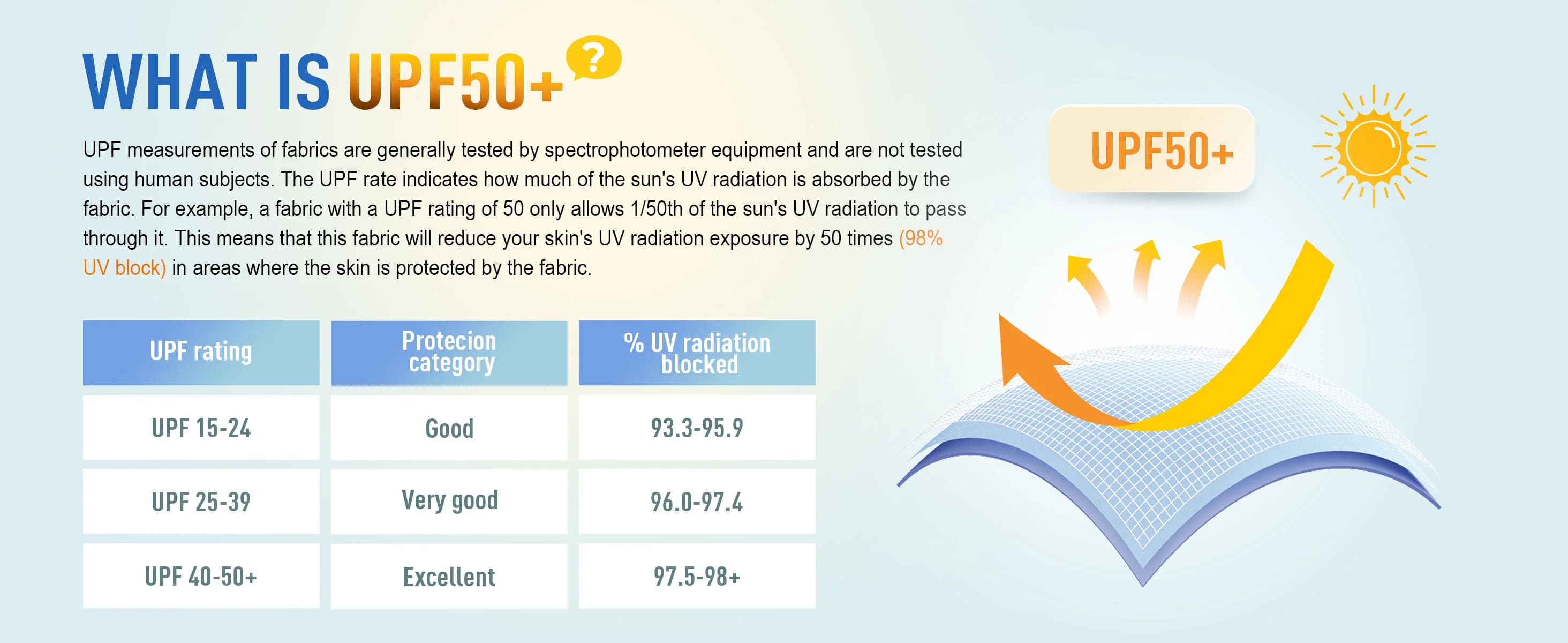
UPF 50+ represents the highest available protection rating, meaning less than 2% of UV radiation can pass through the fabric to reach the skin. By comparison, a standard cotton hoodie typically tests at UPF 5 – 10—an order-of-magnitude difference in protective capability.
2. The Sun Protection of Regular Hoodies: Seriously Overestimated
Many people assume that "long sleeves equal sun protection," but the reality is far more complicated.
The UV protection offered by an ordinary hoodie is influenced by three highly variable factors:
-
Fabric Composition: Light-colored, thin, or loosely woven cotton allows significant UV penetration. Darker, heavier fabrics offer slightly better protection but become uncomfortably warm in summer conditions.
-
Moisture Impact: Cotton fabrics can lose 30% – 50% of their UPF rating when wet with sweat—meaning protection drops precisely when it's needed most during high-exertion outdoor activities.
-
Stretch and Distortion: When fabric is stretched, yarn gaps widen, allowing UV rays to pass through directly. A snug-fitting hoodie may offer far less real-world protection than its relaxed-fit counterpart.
Key Takeaway: The sun protection of a regular hoodie is essentially "unreliable." The same garment can deliver vastly different levels of protection depending on its condition—making it an inadequate solution for dependable sun safety.
3. The Value of UPF 50+ Goes Beyond a Number
UPF 50+ fabrics achieve their high-level protection through systematic technological integration, not a single metric:
-
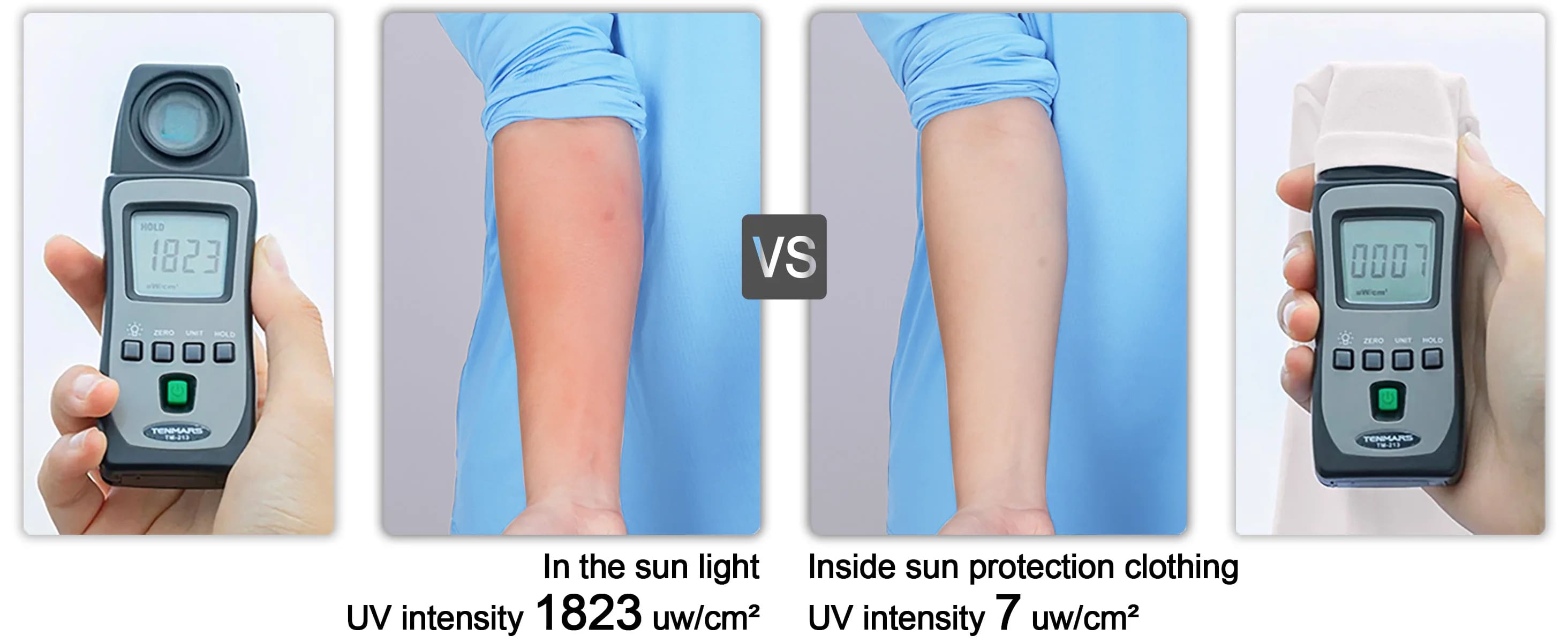
UV Absorbers at the Fiber Level: UV-blocking agents are incorporated during the spinning process, making the protection permanent within the fabric structure itself—not a surface coating that washes out over time. This is a fundamental difference from post-treatment finishes.
-
High-Density Weave Construction: By optimizing yarn fineness and thread count, the physical gaps between yarns are minimized, reducing pathways for UV penetration.
-
Solution-Dyed Technology: Many UPF fabrics use solution-based coloring, which enhances colorfastness and ensures that darker shades deliver more stable, long-lasting UV blockage.
-
Integrated Moisture Management: Many UPF 50+ fabrics also feature moisture-wicking properties, keeping skin dry and avoiding the sharp drop in protection that occurs when ordinary cotton gets wet.
In other words, UPF 50+ is not just a "label slapped on ordinary fabric"—it represents a fundamental redesign of how the fabric approaches protection from the ground up.
4. Scenario-Based Demand: Not All Customers Need It, But Some Absolutely Do
Not every customer segment requires UPF 50+, but for certain scenarios, it's a non-negotiable requirement:
🔹 Mission-Critical Scenarios (UPF 50+ Strongly Recommended)
-
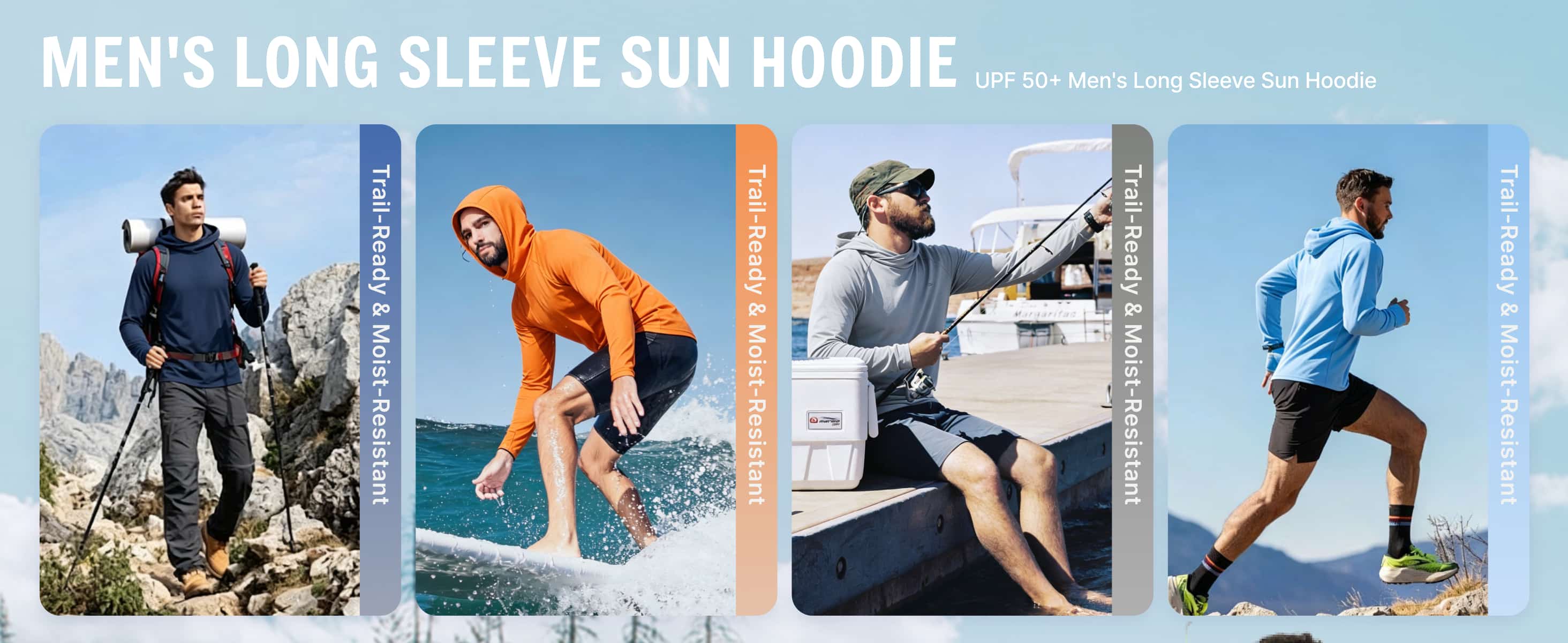
Outdoor Performance Apparel: Hiking, climbing, fishing, running—any activity with prolonged sun exposure
-
Children's and Youth Apparel: Children's skin has a thinner stratum corneum and offers only about one-third the UV resistance of adult skin, making protection far more urgent
-
High-Altitude or Low-Latitude Markets: UV intensity increases by approximately 10% – 12% with every 1,000 meters of elevation gain
-
Summer Performance Wear: Lightweight, breathable fabrics without UPF protection leave consumers effectively unprotected during peak sun hours
🔹 Discretionary Scenarios (UPF as a Differentiation Point)
-
Daily urban commuting (short, intermittent sun exposure)
-
Spring and autumn transitional wear (lower UV intensity)
-
Indoor-dominant activity patterns
For B2B sourcing decisions, lacking UPF 50+ in mission-critical product categories means falling behind the industry benchmark in terms of product capability. This is particularly true for products destined for European and US markets, where UPF ratings have become a hard entry requirement in many retailer buying specifications.
5. Practical Recommendations for B2B Buyers and Brands
1. Differentiate Based on Channel Positioning
-
Brands focused on outdoor, sports, or children's apparel: Consider UPF 50+ as a standard feature
-
Brands focused on fast fashion or urban casual: Offer UPF 30+ as the entry-level option, with UPF 50+ as a premium upgrade in higher price tiers
2. Ensure Compliance with Testing Standards and Labeling Requirements
-
China: Follow GB/T 18830-2009 standard—UPF > 40 and T(UVA)AV < 5% required to label as "UV-protective product"
-
International Standards: Australia/New Zealand AS/NZS 4399, US AATCC 183, EU EN 13758-1
-
Hang tags must clearly state UPF rating and the applicable testing standard to avoid regulatory risks
3. Pay Attention to Durability Metrics
UPF durability (resistance to washing and aging) is a critical but often overlooked dimension in B2B sourcing. It's strongly recommended to request post-wash UPF test data from suppliers to ensure that protection remains stable throughout the product's lifecycle.
Conclusion
Returning to the original question: Is UPF 50+ really necessary?
The answer is: It depends on your category. In everyday casual scenarios, UPF 50+ is a "nice-to-have" differentiator. In outdoor performance, children's apparel, and export markets, it's an "entry barrier."
For B2B professionals, the key lies in making precise judgments based on your target customers' usage scenarios. For applications involving prolonged sun exposure, the safety margin that UPF 50+ provides is something regular hoodies simply cannot match. This is not feature overkill—it's a proper response to consumer health needs. As the market continues to trend toward greater sun protection awareness, building UPF 50+ into your product strategy early is both a risk-management move and an opportunity to strengthen brand equity.