

B2B Procurement Guide | In-Depth Analysis of Waterproof and Breathable Performance of Tactical Softshell Jackets and Supplier Evaluation
What is the most fundamental contradiction in tactical outerwear design? It is the balance between waterproofing and breathability. When a fabric is completely waterproof, it often has to sacrifice the ability to release internal moisture; conversely, if breathability is too high, it becomes difficult to withstand sustained rainfall. For tactical professionals, law enforcement personnel, and outdoor workers, both of these properties are indispensable.
This article approaches the topic from a B2B procurement perspective, providing an in-depth analysis of the key performance indicators that determine the quality of tactical softshell jackets, explaining the real meaning behind these numbers, and guiding procurement leaders on how to evaluate supplier performance claims and mitigate procurement risks.
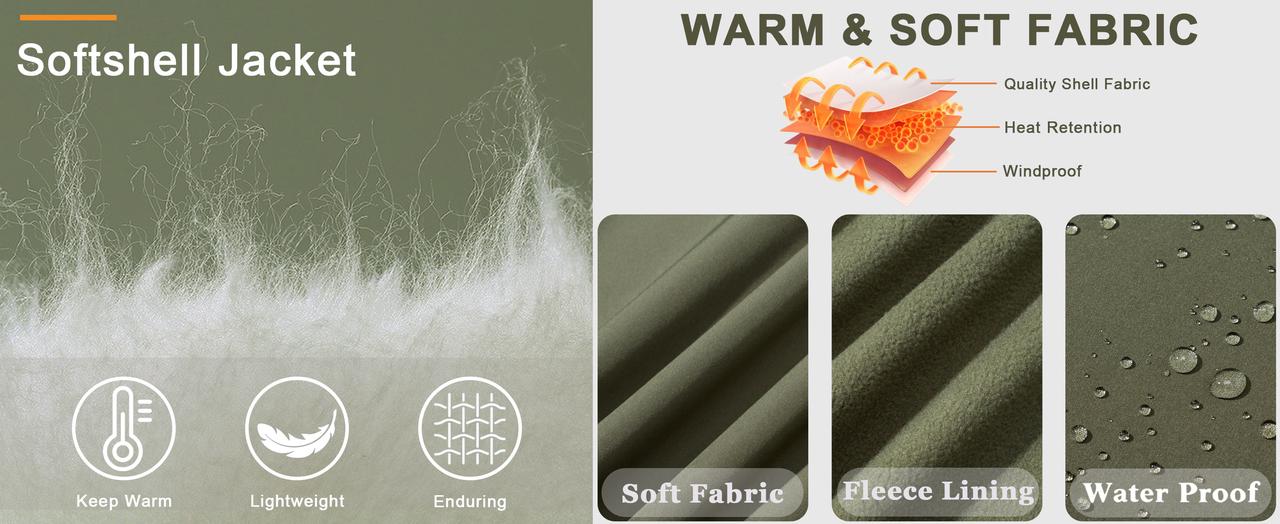
Tactical Softshell Jacket: Core Structure Buyers Need to Understand
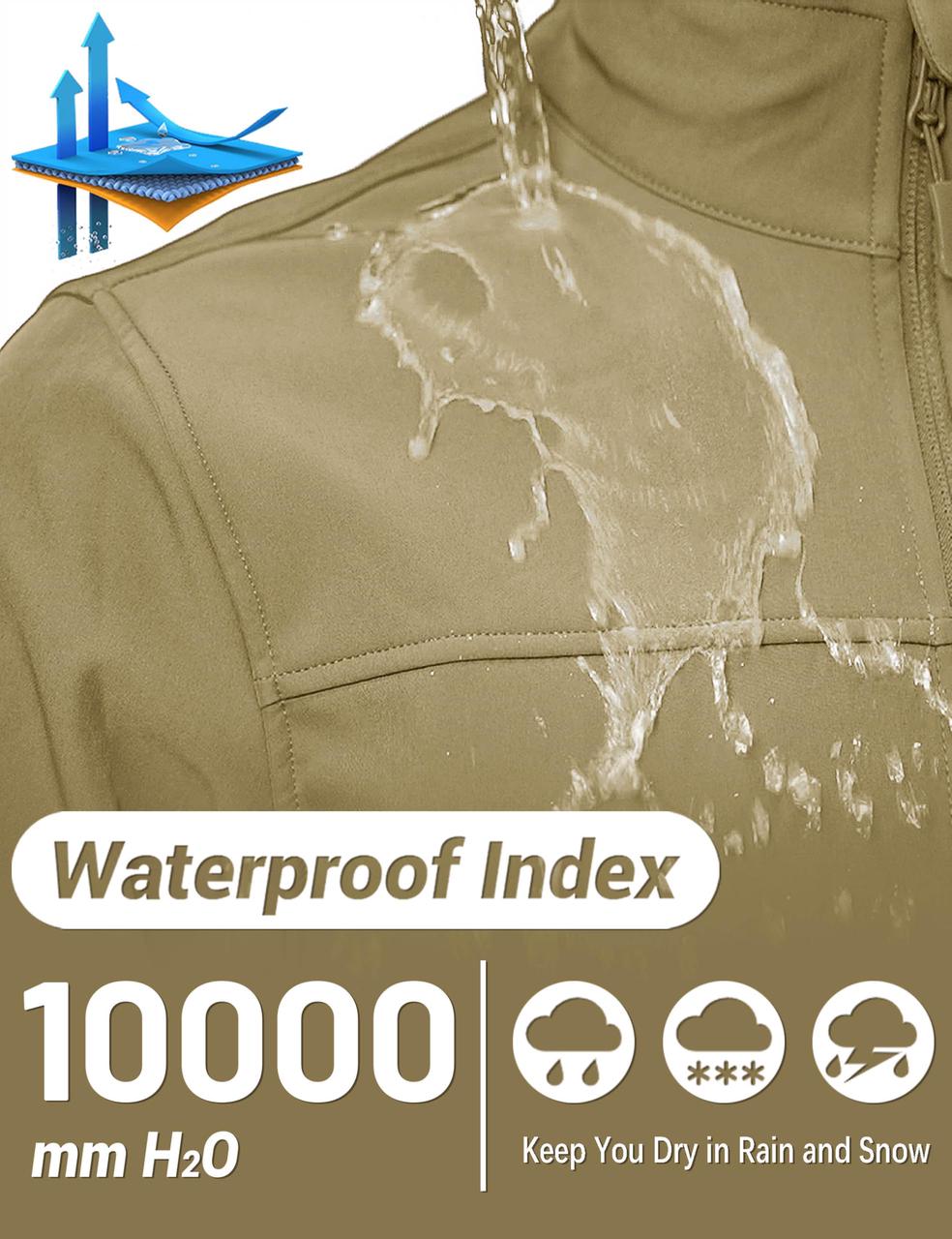
Core Metric 1: Waterproof Rating (mm H₂O)
| Grade range | Level of protection | Typical Applications |
| 1,000 – 5,000 mm | Light rain/Light snow | Casual jackets, daily commuting |
| 5,000 – 10,000 mm | Moderate to heavy rain | Outdoor workwear, softshell jackets |
| 10,000 – 20,000 mm | Heavy Rain/Extreme Conditions | Advanced tactical, skiing, and mountaineering equipment |
| >20,000 mm | Torrential rain / Prolonged exposure | Professional hardshell, GORE-TEX Pro |
Why 10,000 mm Is a Critical Procurement Threshold
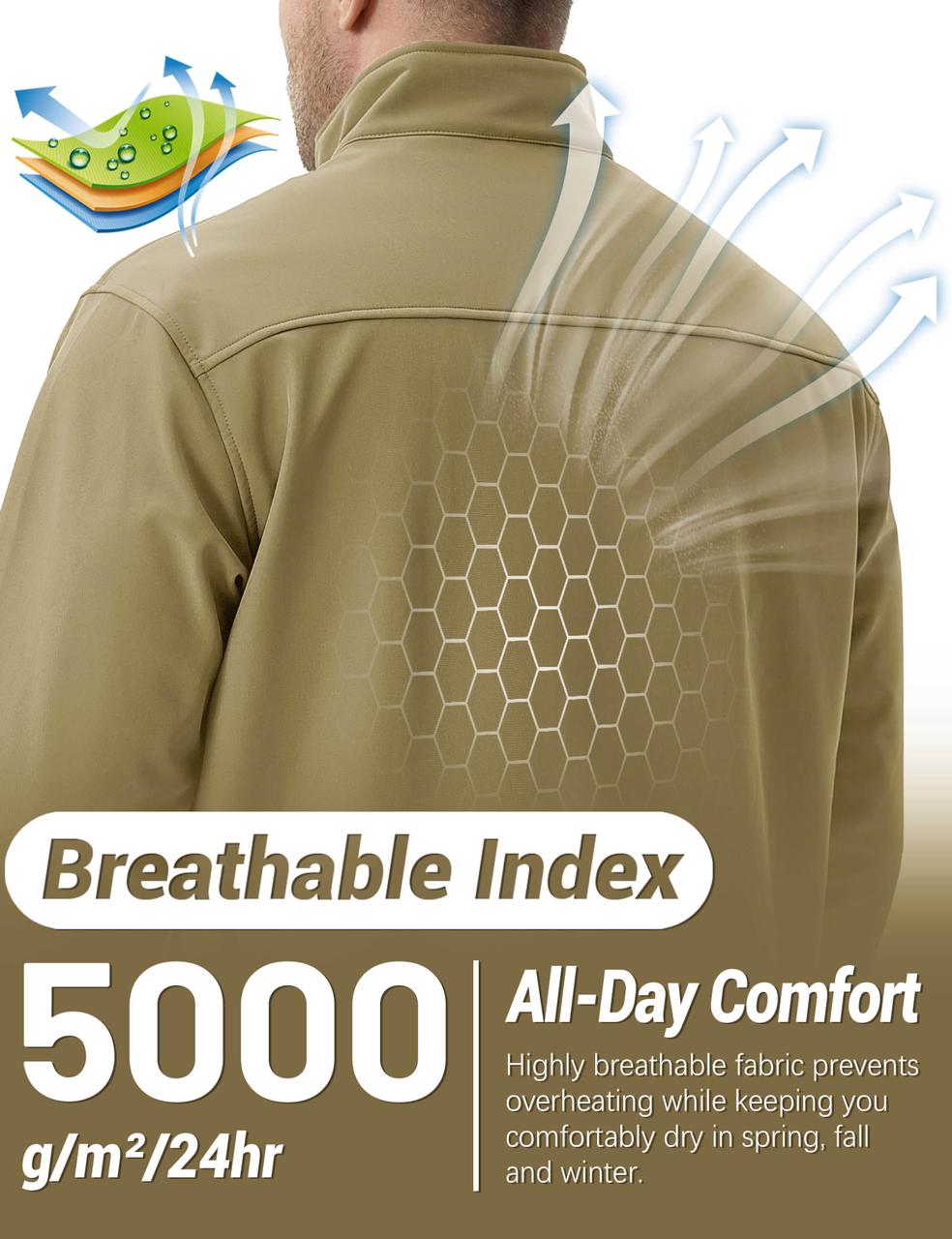
Core Metric 2: Breathability Rating (g/m²/24hr)
| Grade range | Breathability level | Typical Applications |
| 1,000 – 3,000 g | Lower | Casual daily wear, light activity |
| 3,000 – 5,000 g | medium | Outdoor sports, hiking, tactical |
| 5,000 – 10,000 g | Relatively high | High-intensity exercise, high-altitude activities |
| >10,000 g | Extremely high | Extreme endurance, professional mountaineering |
Why Breathability Is Essential for Tactical Gear
The Waterproof vs. Breathability Tradeoff: What Buyers Must Know
Comparison of Mainstream Membrane Technologies
|
Technology Type
|
Principle
|
Performance Level
|
Cost
|
Application Scenarios
|
|---|---|---|---|---|
|
Hydrophilic Non-porous TPU Membrane
|
Molecular diffusion absorbs and transports moisture, thickness 15–25μm
|
Meets mainstream needs
|
Lower
|
Bulk workwear, cost-performance priority
|
|
Microporous Membrane (ePTFE)
|
Micropores smaller than liquid water molecules, larger than water vapor molecules
|
Higher
|
Relatively high
|
High-end tactical, professional outdoor
|
Other Key Factors Influencing Procurement Decisions
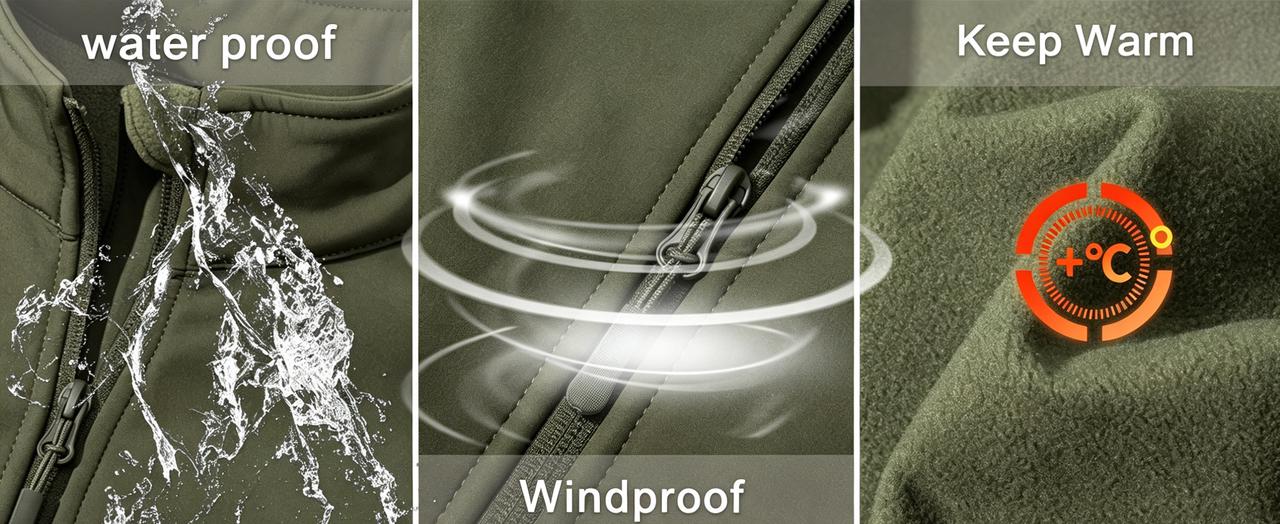
Wind Resistance
Application Scenarios: Matching Performance with End Use
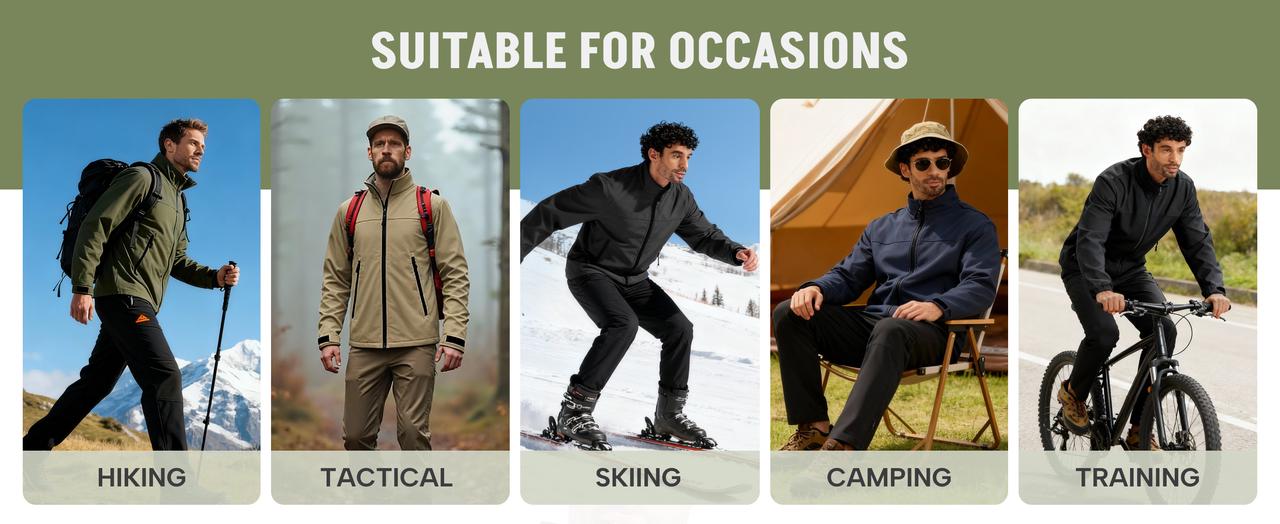
🔹 Law Enforcement and Tactical Duty
🔹 Outdoor Workwear and Industrial Applications
🔹 Hiking and Outdoor Recreation
🔹 Corporate Team Apparel and Brand Customization
B2B Procurement Guide: How to Evaluate Tactical Softshell Suppliers
1. Verify Performance Claims with Testing Standards
| Performance indicators | Commonly Used Test Standards |
| Waterproof rating | ISO 811:2018 |
| Breathability | ASTM E96/96M(Upright or inverted cup method) |
| Wind resistance | Air permeability test (< 5 l/m²/s indicates true windproofing) |
| Wear resistance | Martindale Test (Professional grade ≥ 15,000 cycles) |