B2B Procurement Guide | In-Depth Analysis of Waterproof and Breathable Performance of Tactical Softshell Jackets and Supplier Evaluation
Aug 03, 2026
What is the most fundamental contradiction in tactical outerwear design? It is the balance between waterproofing and breathability. When a fabric is completely waterproof, it often has to sacrifice the ability to release internal moisture; conversely, if breathability is too high, it becomes difficult to withstand sustained rainfall. For tactical professionals, law enforcement personnel, and outdoor workers, both of these properties are indispensable.
This article approaches the topic from a B2B procurement perspective, providing an in-depth analysis of the key performance indicators that determine the quality of tactical softshell jackets, explaining the real meaning behind these numbers, and guiding procurement leaders on how to evaluate supplier performance claims and mitigate procurement risks.
Tactical Softshell Jacket: Core Structure Buyers Need to Understand
Softshell jackets sit between lightweight fleece garments and heavy waterproof hardshells, prioritizing flexibility, breathability, and freedom of movement. Tactical softshells add mission-oriented features on this foundation: reinforced stress points, multiple pocket configurations, windproof stand-up collars, and adjustable cuffs and hems.
Their construction typically follows a three-layer composite principle: the outer layer consists of Hard-wearing woven fabric (polyester-spandex blend) treated with DWR (Durable Water Repellent); the middle membrane layer is a waterproof yet breathable film that blocks liquid water while allowing water vapor to pass through; and the inner layer is made of fleece or microfiber, providing warmth and skin-friendly comfort. For buyers, the material and craftsmanship of each layer directly impact the balance between cost and performance.
Core Metric 1: Waterproof Rating (mm H₂O)
Waterproof rating is measured in millimeters of water column, which indicates how much water pressure a fabric can withstand before leaking. For example,10,000 mm H₂O means the fabric can withstand the pressure of a 10-meter water column without seepage.
Waterproof Rating Reference:
Grade range
Level of protection
Typical Applications
1,000 – 5,000 mm
Light rain/Light snow
Casual jackets, daily commuting
5,000 – 10,000 mm
Moderate to heavy rain
Outdoor workwear, softshell jackets
10,000 – 20,000 mm
Heavy Rain/Extreme Conditions
Advanced tactical, skiing, and mountaineering equipment
>20,000 mm
Torrential rain / Prolonged exposure
Professional hardshell, GORE-TEX Pro
For tactical softshells, 10,000 mm has become the industry benchmark. This rating provides reliable protection against sustained rainfall and wet snow while maintaining the flexibility and breathability expected of a softshell.
Why 10,000 mm Is a Critical Procurement Threshold
A 10,000 mm waterproof rating represents field-grade protection that directly relates to end-user satisfaction and return rates. It ensures reliable rain protection that effectively withstands heavy rain and humid environments without easily soaking through, prevents snow penetration during winter duty operations, and maintains load-bearing durability by retaining waterproof performance during activities such as movement, crawling, and equipment carrying.
Core Metric 2: Breathability Rating (g/m²/24hr)
Breathability measures how much water vapor (i.e., sweat) can pass through a unit area of fabric in 24 hours.For example, 5,000 g/m²/24hr means that one square meter of fabric can transfer 5,000 grams of water vapor outward in a single day.
Breathability Rating Reference:
Grade range
Breathability level
Typical Applications
1,000 – 3,000 g
Lower
Casual daily wear, light activity
3,000 – 5,000 g
medium
Outdoor sports, hiking, tactical
5,000 – 10,000 g
Relatively high
High-intensity exercise, high-altitude activities
>10,000 g
Extremely high
Extreme endurance, professional mountaineering
Tactical softshells choose 5,000 g as the balance point—it ensures no overheating during intense exercise while maintaining sufficient waterproof integrity.
Why Breathability Is Essential for Tactical Gear
Poor breathability affects tactical gear far beyond simple comfort issues; it can become an operational hazard and source of complaints. Moisture accumulation causes sweat to become trapped and condense inside the garment, while temperature regulation failure means that damp insulation loses its thermal properties, leading to hypothermia risk. Additionally, performance degradation occurs as the "sticky feeling" distracts attention and reduces operational efficiency. For professionals who frequently switch between intense physical activity and stationary observation, breathability is a design consideration that must be addressed.
The Waterproof vs. Breathability Tradeoff: What Buyers Must Know
Waterproofing and breathability are inherently conflicting. A completely impermeable fabric will necessarily also block water vapor. The engineering challenge lies in creating a membrane that can block liquid water (due to its larger molecular clusters) while allowing water vapor (individual molecules) to pass through.
Comparison of Mainstream Membrane Technologies
High-end softshells typically use one of two membrane technologies:
Technology Type
Principle
Performance Level
Cost
Application Scenarios
Hydrophilic Non-porous TPU Membrane
Molecular diffusion absorbs and transports moisture, thickness 15–25μm
Meets mainstream needs
Lower
Bulk workwear, cost-performance priority
Microporous Membrane (ePTFE)
Micropores smaller than liquid water molecules, larger than water vapor molecules
Higher
Relatively high
High-end tactical, professional outdoor
For B2B buyers, the key is not just the nominal values, but the consistency of performance in mass production. A jacket that reaches 10,000/5,000 in the laboratory may perform significantly worse in the field if the membrane lamination quality is unstable or the DWR coating fails prematurely.
Other Key Factors Influencing Procurement Decisions
Waterproof and breathability ratings provide a quantitative benchmark, but they are far from everything. The following factors also determine whether a tactical softshell can be called "high-end," and directly impact procurement costs and end-user experience.
Wind Resistance
Windproof capability is often overlooked in specification sheets, yet it greatly affects thermal comfort. Truly windproof fabrics should have an air permeability of ≤ 1.0 cfm (< 5 l/m²/s). In tactical scenarios, the wind chill effect accelerates body heat loss, and cold wind penetrating the fabric weakens the insulating effect of the fleece lining, causing body temperature to drop rapidly during prolonged stationary duty.
Fleece Lining and Temperature Control
Quality fleece lining provides integrated warmth without adding bulk. For buyers, the weight and quality of the fleece lining directly affect cost and performance: thicker fleece provides better insulation but increases volume, while thinner fleece is easier to pack but offers less warmth.
Fabric Composition and Durability
Outer layer fabric composition directly affects durability, elasticity, and abrasion resistance. The typical composition for high-end softshells is 90% polyester (for durability and weather resistance) + 10% spandex (for four-way stretch and freedom of movement).
Application Scenarios: Matching Performance with End Use
Different tactical and outdoor scenarios place different weights on performance. The following is the suitability of the 10,000/5,000 specification across various scenarios, for buyers to reference based on their target market.
🔹 Law Enforcement and Tactical Duty
Focus: Balanced waterproofing and breathability, adaptable to varying exercise intensity. Officers switch between vehicle patrols (low intensity) and foot pursuits (high intensity), requiring 10,000 mm waterproofing to handle rain and moisture and 5,000 g breathability to prevent overheating during physical activity. Multiple pockets (chest pockets, zippered pockets, inner pockets) provide convenient equipment carry.
🔹 Outdoor Workwear and Industrial Applications
Focus: Durability and all-weather protection. Workers are exposed to rain, wind, and cold environments for extended periods, and the 10,000 mm rating provides reliable protection throughout an entire shift. The fleece lining offers warmth without restricting movement, and adjustable cuffs and hem effectively seal out cold wind.
🔹 Hiking and Outdoor Recreation
Focus: Lightweight performance and packability. Softshells serve as versatile mid-layers or outer layers, with 5,000 g breathability supporting high-intensity activities like climbing and 10,000 mm waterproofing handling sudden weather changes. The stand-up collar enhances wind and rain protection.
🔹 Corporate Team Apparel and Brand Customization
Focus: Professional appearance combined with functionality. The clean silhouette is suitable for logo printing and brand display, while weather protection meets the needs of outdoor team building or field activities. The four-season versatility works well in temperate climates.
B2B Procurement Guide: How to Evaluate Tactical Softshell Suppliers
For procurement specialists and brand developers, supplier screening should not rely solely on quotes and nominal parameters. Here are six key evaluation dimensions for professional buyers.
1. Verify Performance Claims with Testing Standards
Responsible manufacturers should provide third-party test reports. Request the following key indicators:
Performance indicators
Commonly Used Test Standards
Waterproof rating
ISO 811:2018
Breathability
ASTM E96/96M(Upright or inverted cup method)
Wind resistance
Air permeability test (< 5 l/m²/s indicates true windproofing)
Wear resistance
Martindale Test (Professional grade ≥ 15,000 cycles)
2. Evaluate Membrane Technology and Lamination Quality
The membrane is the core of waterproof breathability. Inquire about what type of membrane is used (hydrophilic TPU, microporous, or other), the membrane thickness (TPU is typically 15–25μm), how lamination quality is controlled during mass production, and the expected lifespan before membrane performance degradation.
3. Inspect DWR Water Repellent Treatment Quality
The outer layer DWR treatment determines whether water beads roll off the surface. Pay attention to what type of DWR is used (fluorine-free options are increasingly favored), how many washes it takes before DWR effectiveness declines and needs reactivation, and whether the DWR coating evenly covers the entire garment.
4. Review Construction Details
No matter how impressive the performance parameters, poor construction renders them useless. Focus on checking seam construction—whether critical areas are taped or sealed; zipper quality—whether zippers are waterproof or water-repellent; stress points—whether high-wear areas are reinforced; and adjustment design—whether cuffs and hem can be tightly fitted to block wind and rain.
5. Mass Production and Quality Control Capabilities
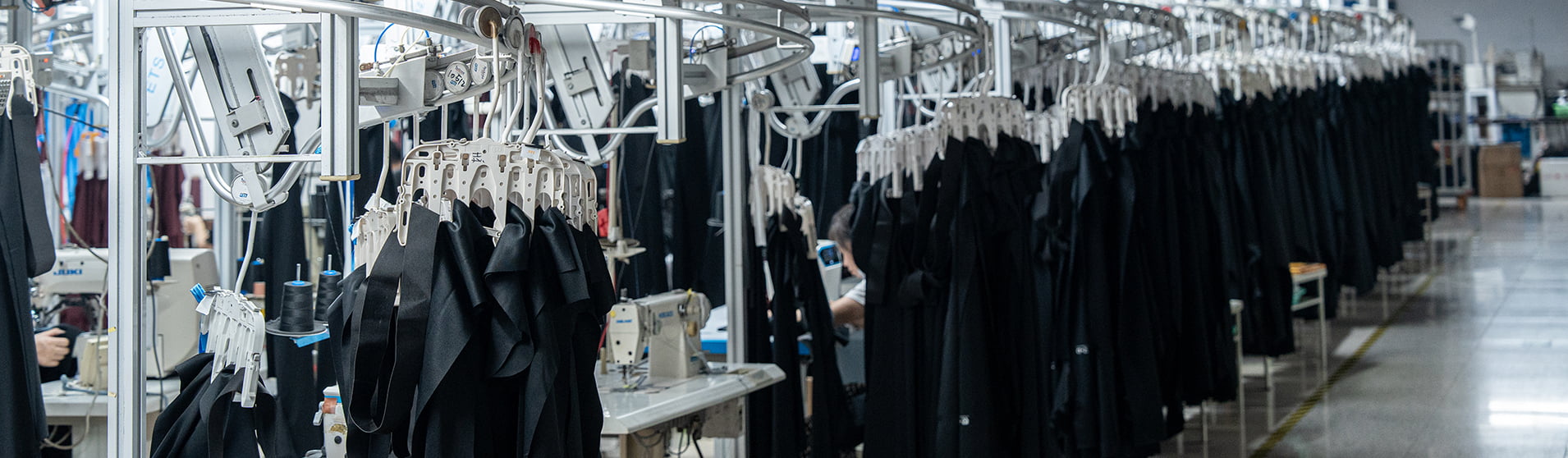
Sample compliance does not equal batch compliance. Be sure to understand monthly production capacity and minimum order quantity (MOQ), quality control processes including incoming material inspection, in-process inspection, and finished product inspection, defect rates and return policies, and whether pre-production sample confirmation and bulk sampling inspections are supported.
6. Customization and Supply Chain Flexibility
B2B procurement often requires customization services. Check whether customization of fabric, color, and pattern is supported; the process and minimum order quantity for logo printing/embroidery; sampling cycle and bulk delivery lead time; and whether small-batch trial orders are supported.
Conclusion: Choosing the Right Supplier Matters More Than Choosing the Right Specs
It is no coincidence that a waterproof rating of 10,000mm and a breathability rating of 5,000g/m²/24hr have become the industry benchmarks for high-end tactical softshell jackets. These metrics represent a performance watershed, marking the evolution of a jacket from a garment with basic water-repellent capabilities to a piece of gear offering field-ready, all-weather protection.
However, data alone cannot fully capture a product's quality. What truly distinguishes the exceptional from the mediocre is the seamless integration of reliable performance metrics with sturdy construction, ingenious functional design, and consistent quality control throughout mass production.
For B2B buyers, product selection decisions should not be limited to specifications; it is crucial to evaluate the manufacturer's ability to consistently deliver proven performance at scale. This requires a thorough assessment of membrane technology, lamination processes, the durability of DWR (Durable Water Repellent) finishes, and seam-sealing techniques.
Fujian Lasen Technology Co., Ltd. offers full-chain customization from fabric to finished garments, with strict QC and agile supply chain for reliable bulk order fulfillment. Contact us for a tailored cooperation plan.
Read More